Where could your Spanish take you?
Each level opens new conversations, experiences, and ways of experiencing the language.
-
B1
Connect
- Have real conversations about work, family, daily life
- Follow what people are saying, even when you miss words
- Share opinions on topics you know
- Understand the gist of news and current events
-
B2
Culture
- Understand a film or song without subtitles
- Read articles, posts, and short nonfiction
- Discuss ideas, not just facts
- Catch humor, irony, and what's left unsaid
-
C1
Fluency
- Read literature, criticism, poetry in the original
- Debate complex ideas with confidence
- Feel at home in the language across registers
- Access the full texture of how people think in Spanish
What reading in Spanish actually builds
-
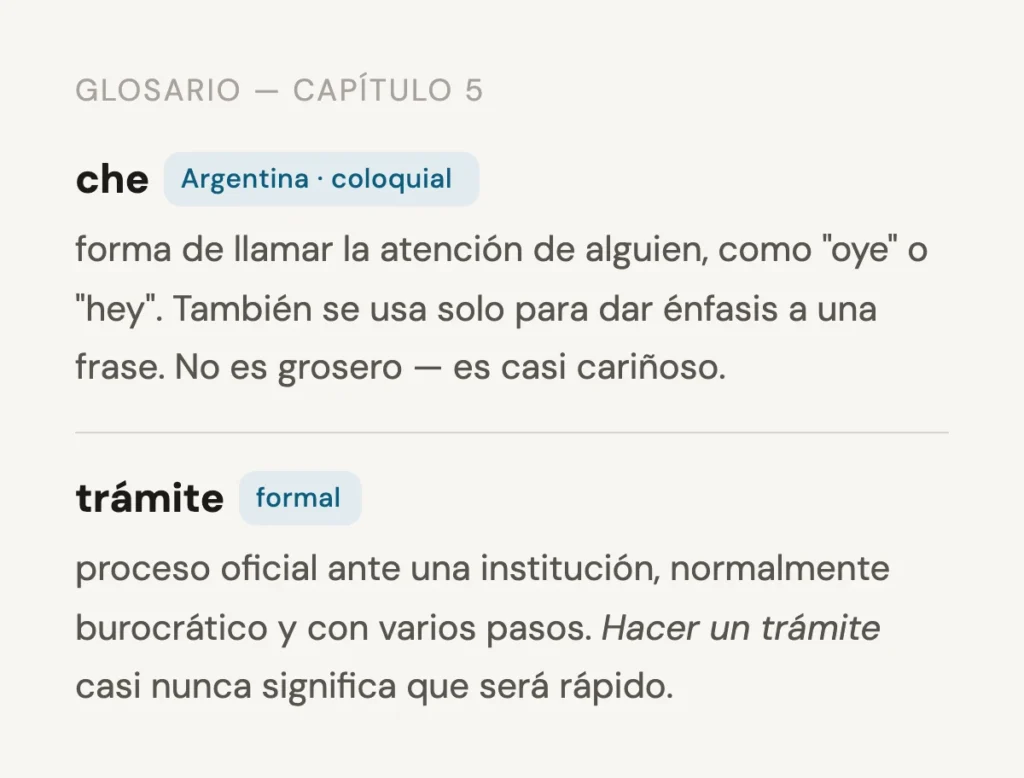
Vocabulary in context
The same word can be polite in one country and vulgar in another. You don't learn that from flashcards. You learn it from seeing it used, carefully, over and over, until the difference becomes part of you.
-
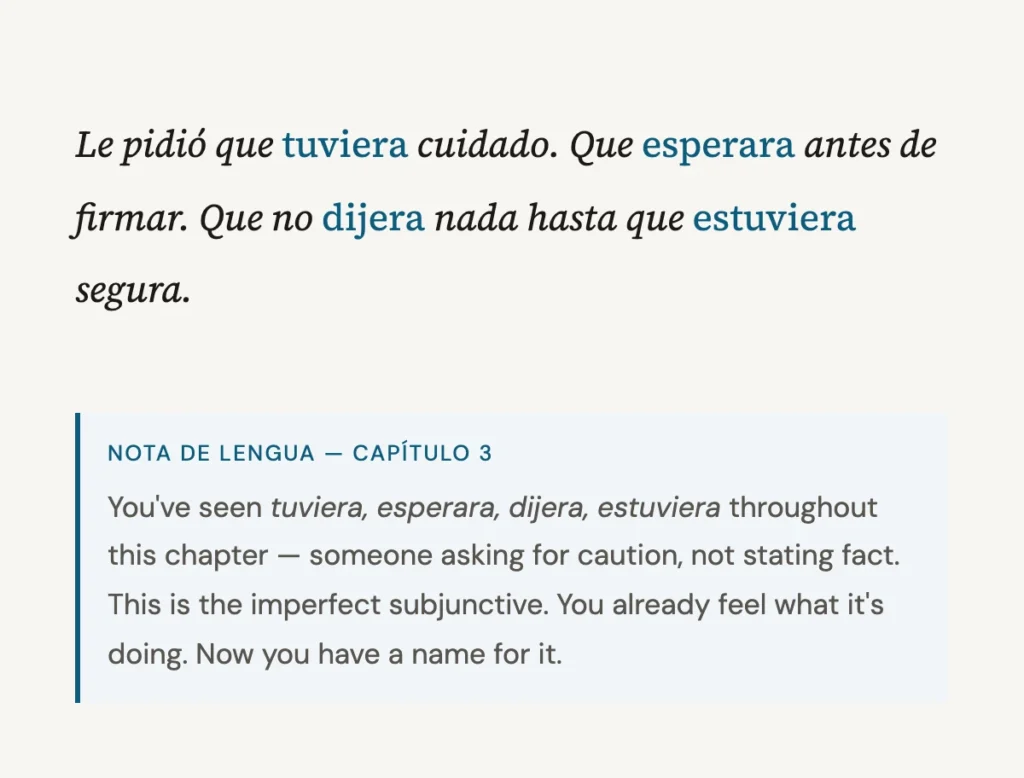
Grammar through encounter
The subjunctive is the wall every intermediate learner hits, not because you never had to think about it before, but because speaking in a language is hard when you're thinking about rules. Hearing it enough where the choice is natural is how real language works..
-
Register fluency
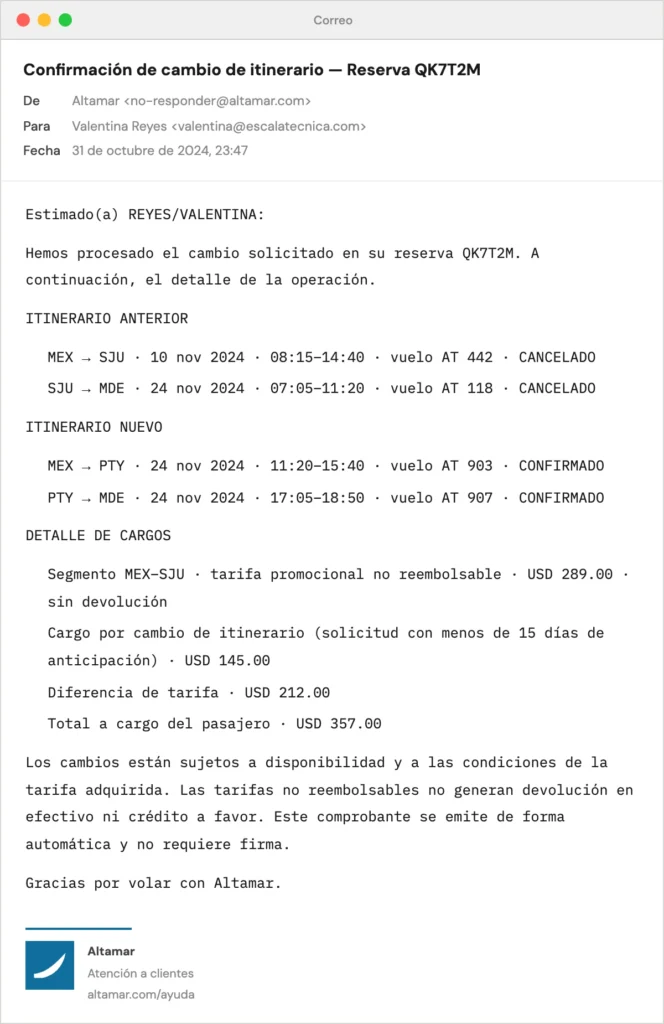
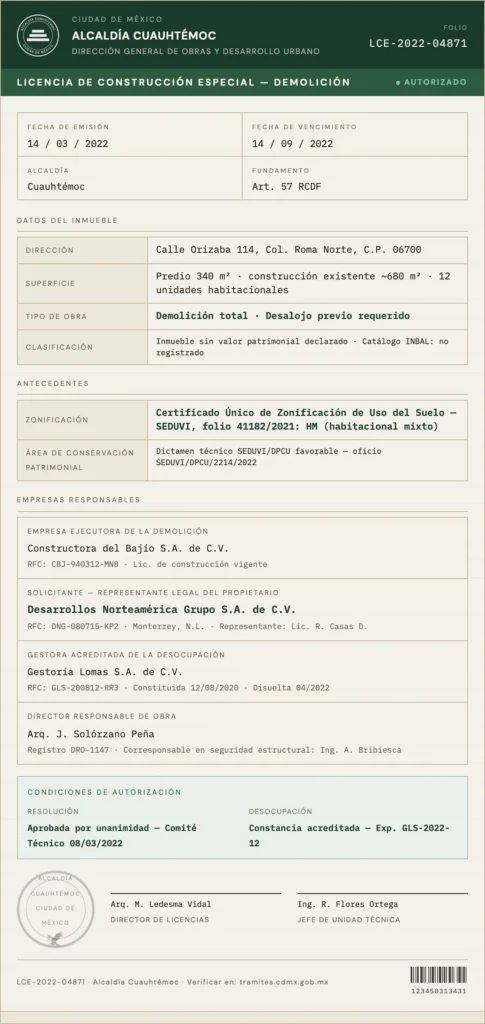
A voice note, a notarized document, a chef explaining where the corn came from: three different Spanishes in the same book. Moving between them without translating is what fluency feels like.
-
Reading stamina
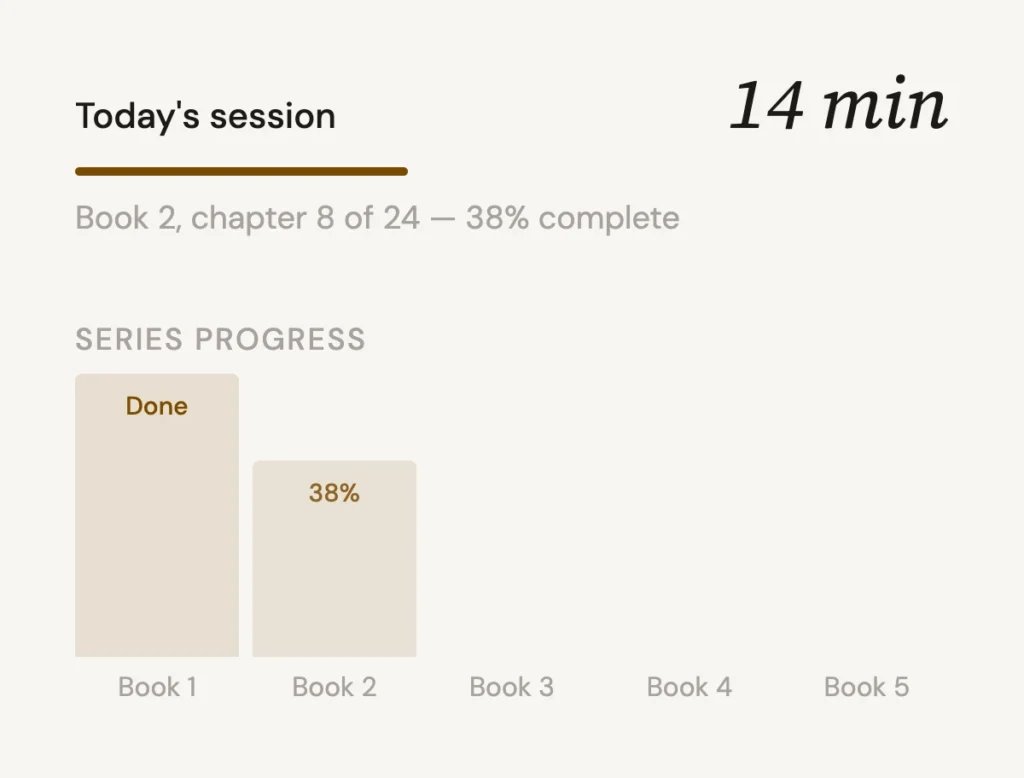
Spanish sentences run long, clause stacked on clause. Following one is different from holding a whole paragraph in your head, feeling the atmosphere, and relating deeply with characters. You learn how to do with experience, and our books are designed to get you there.
What's inside the books
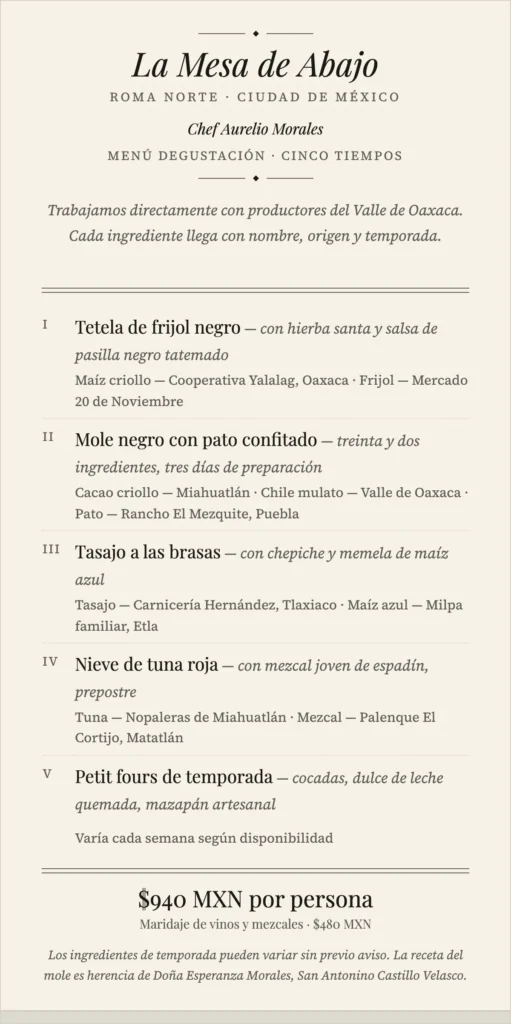
Each chapter includes at least one artifact, a real document that's part of the story. Not supplementary material. Not a sidebar. A voice note transcript, a notarized document, a tasting menu, a permit stamped by three different offices. Spanish lives in paperwork as much as it lives in conversation, and each artifact puts you inside a register you wouldn't meet in prose alone.
-
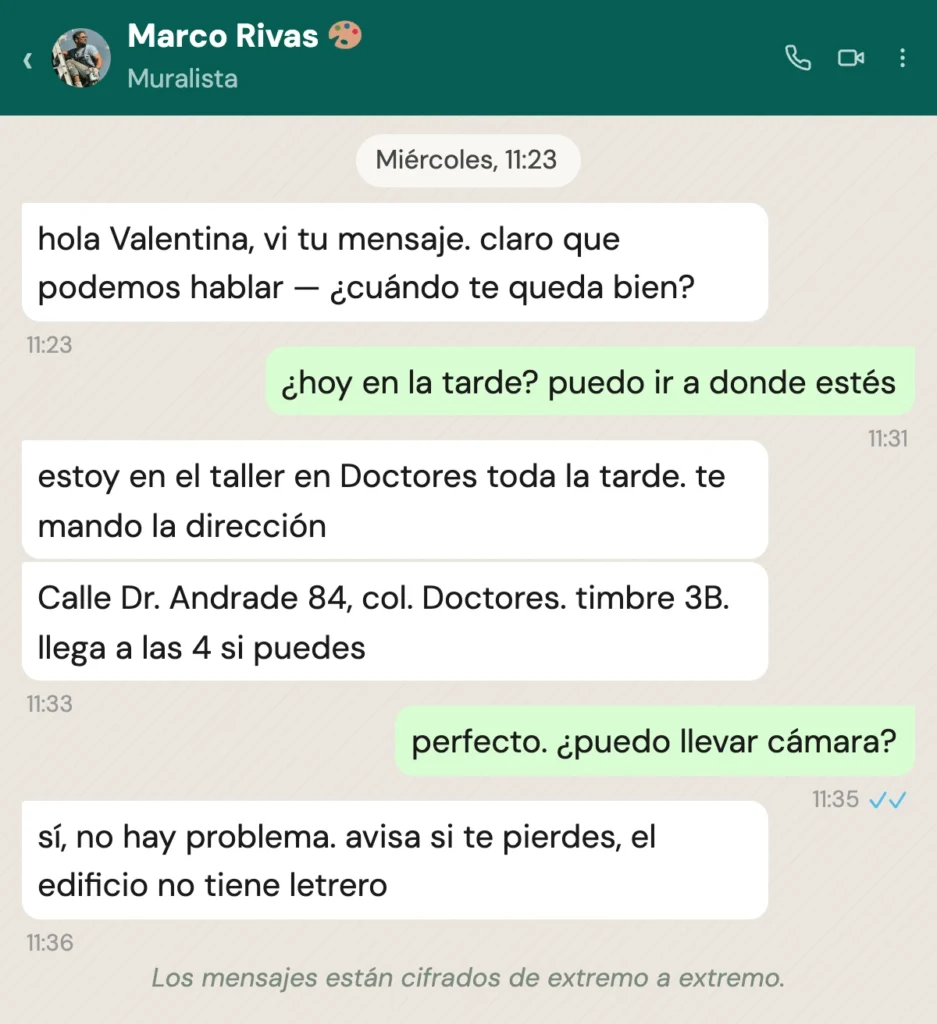
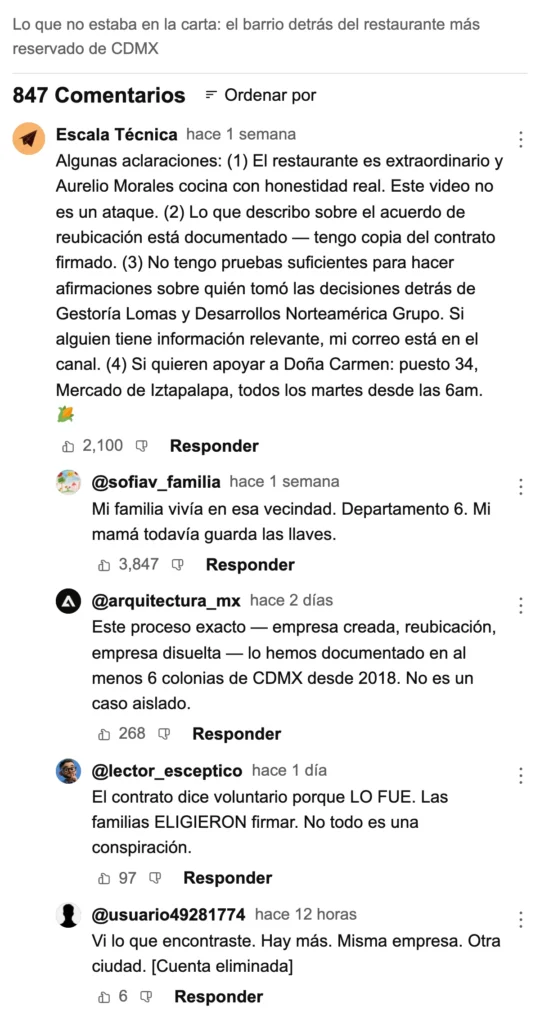
Conversational registerHow people actually talk
Voice notes, half-finished sentences, the che or güey or parce that marks where someone's from before they say a word about it. The natural Spanish of everyday people around Latin America.
-
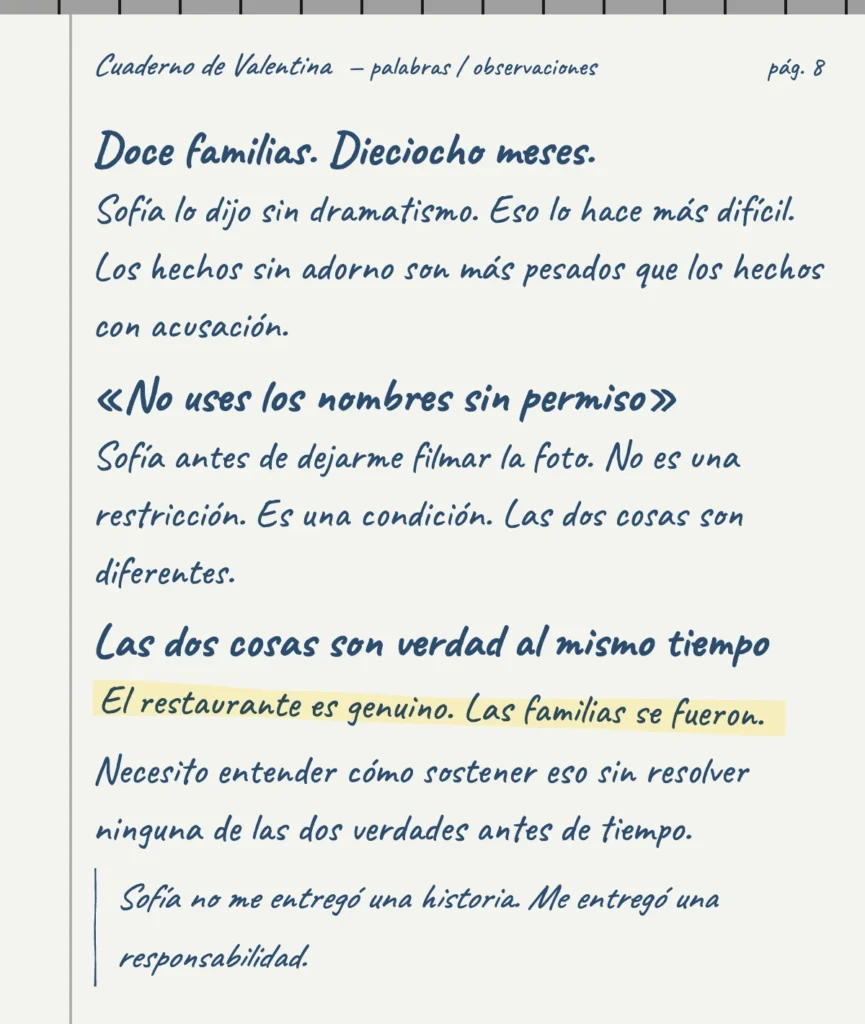
Personal written registerPrivate thought on the page
A notebook that a character uses to process their thoughts. Spanish gets looser, more elliptical, more honest when it's free expression.
-
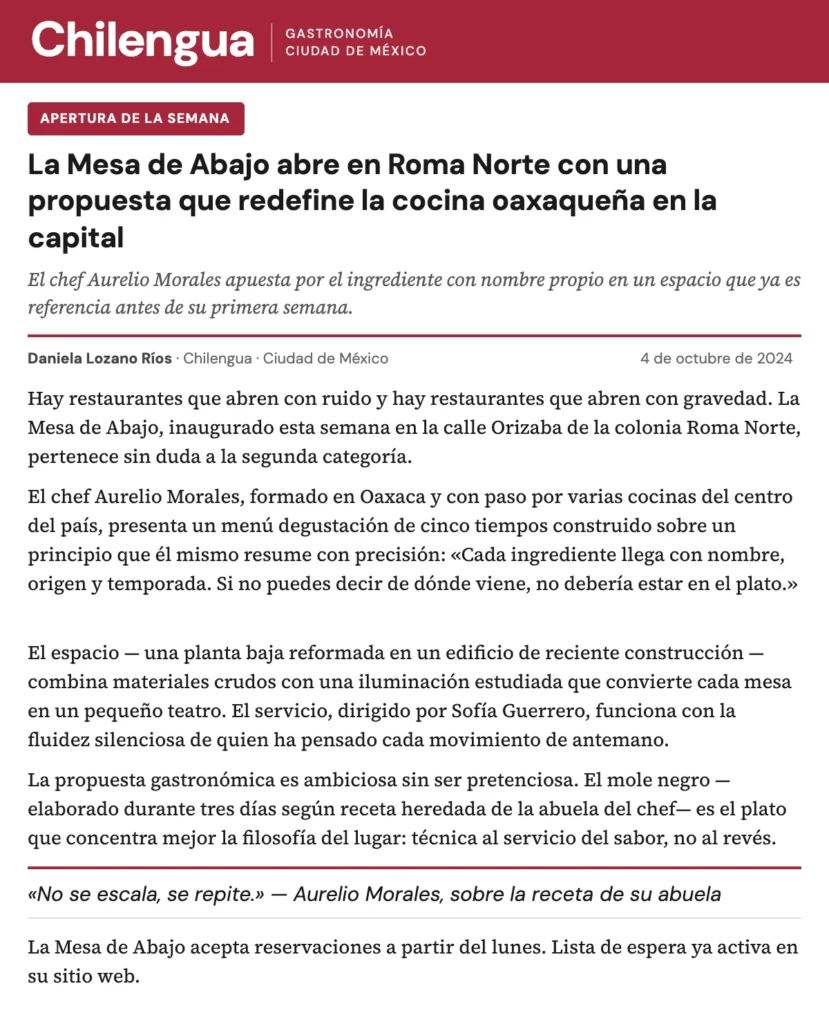
Journalistic registerHow public discourse works
The careful, accountable Spanish of a newspaper that knows it can be quoted back. Facts hedged, sources named, nothing said that can't be defended.
-
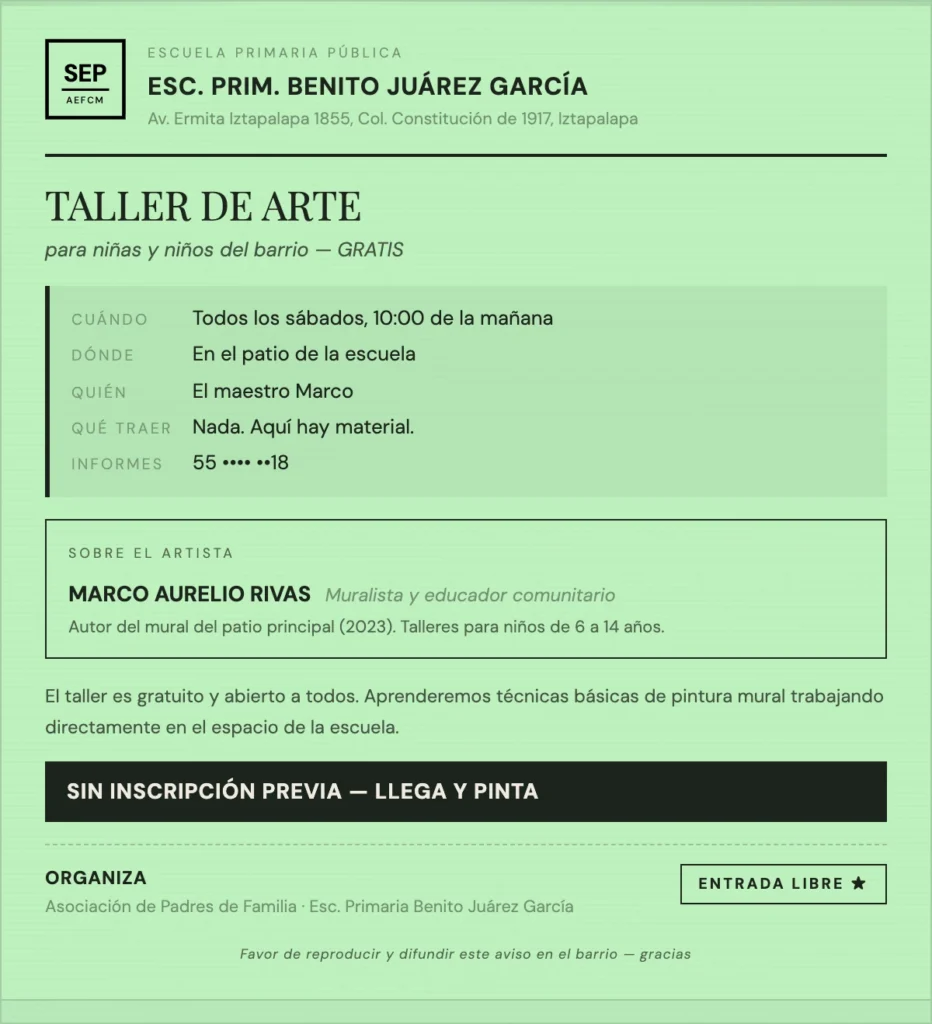
Cultural & commercial registerHow places present themselves
A menu that names the farm the corn came from. A sign, a flyer, a notice taped to a door: the specific formality a place uses when it's writing for strangers.
How you're supported
The scaffolding is heaviest at the start and fades as you go. By the end, it's gone. That's not an accident. It's the design working.
-
Book 1 Full support
- Glossaries for every unfamiliar word
- Language notes after every chapter
- Scaffolding for every new structure
-
Book 3 Growing independence
- Shorter glossaries, less hand-holding
- Notes where they matter most
- You're reading more than you're studying
-
Book 5 You're on your own
- Minimal glossaries
- No scaffolding
- The language is yours now
One book. See what changes.
Start at your level and read at your own pace. 15 minutes a day. You decide the timeline.
-
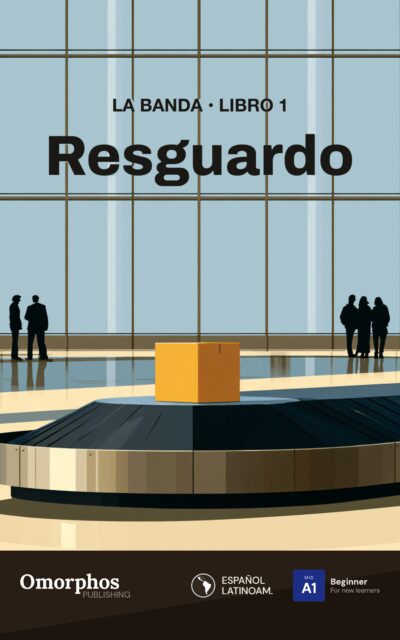
Resguardo
La Banda, Level A1
Mexico
On her first morning in an airport's lost-property room, Yerin finds a closed box no one has claimed, full of loose papers and nothing else. Anything nobody claims by the last day of the month leaves in one lot, and nobody sees it again. Somewhere, somebody is missing that box, and Yerin has until the end of the month to find them.
-
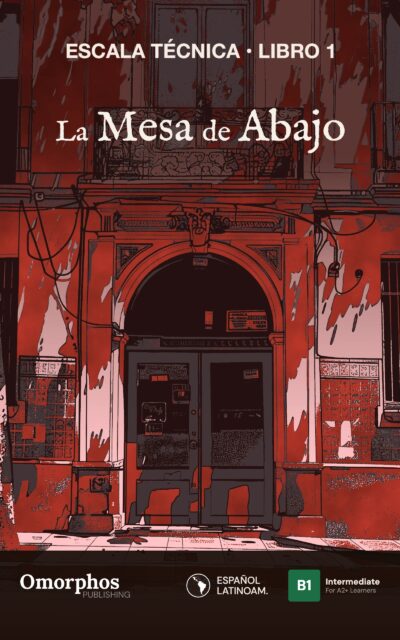
La Mesa de Abajo
Escala Técnica, Libro 1
Mexico City, Mexico
Valentina comes to Roma Norte to film a restaurant everyone's talking about. A few blocks away, a family is being offered money to leave the apartment they've lived in for years. No one is forcing them. That's what everyone keeps saying.