Where could your Portuguese take you?
Each level opens new conversations, experiences, and ways of being in the language.
-
B1
Connect
- Have real conversations about work, family, daily life
- Follow what people are saying, even when you miss words
- Share opinions on topics you know
- Understand the gist of news and current events
-
B2
Culture
- Understand a film or song without subtitles
- Read articles, posts, and short nonfiction
- Discuss ideas, not just facts
- Catch humor, irony, and what's left unsaid
-
C1
Fluency
- Read literature, criticism, poetry in the original
- Debate complex ideas with confidence
- Feel at home in the language across registers
- Access the full texture of how people think in Portuguese
What reading in Portuguese actually builds
-
Vocabulary in context
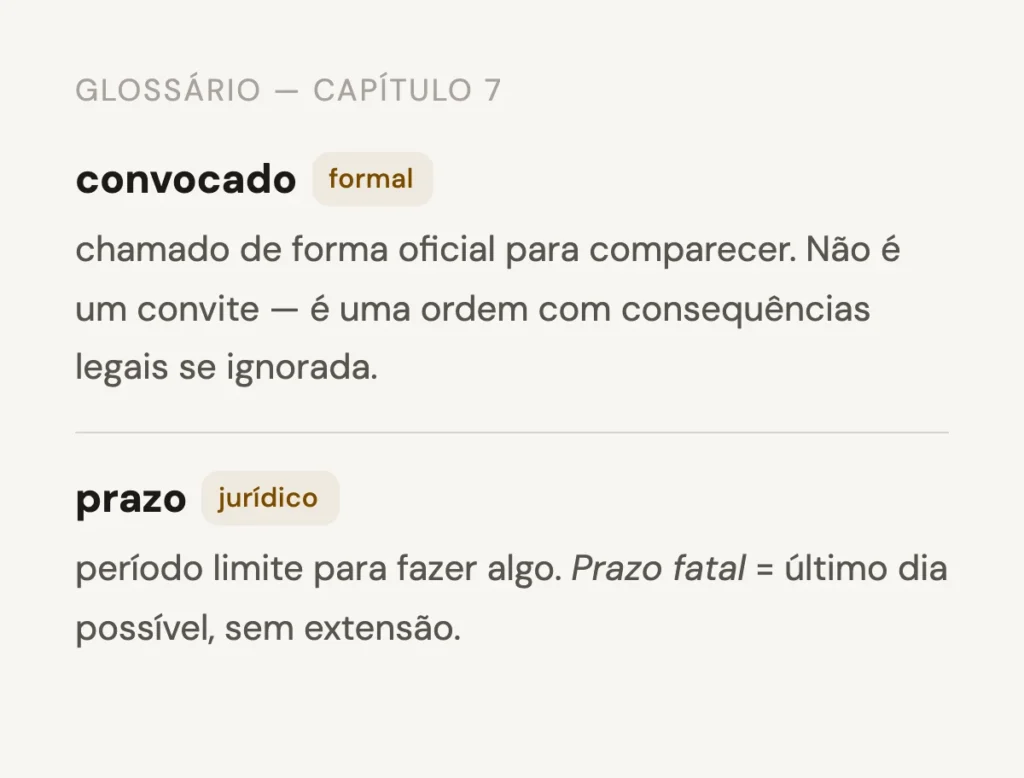
Words are acquired through exposure in meaningful situations, not through multiple choice questions. Reading at volume builds vocabulary more durably than any flashcard app. You encounter the same word across different contexts: in formal writing, in a message, in a legal document, in dialogue. And it sticks.
-
Grammar through encounter
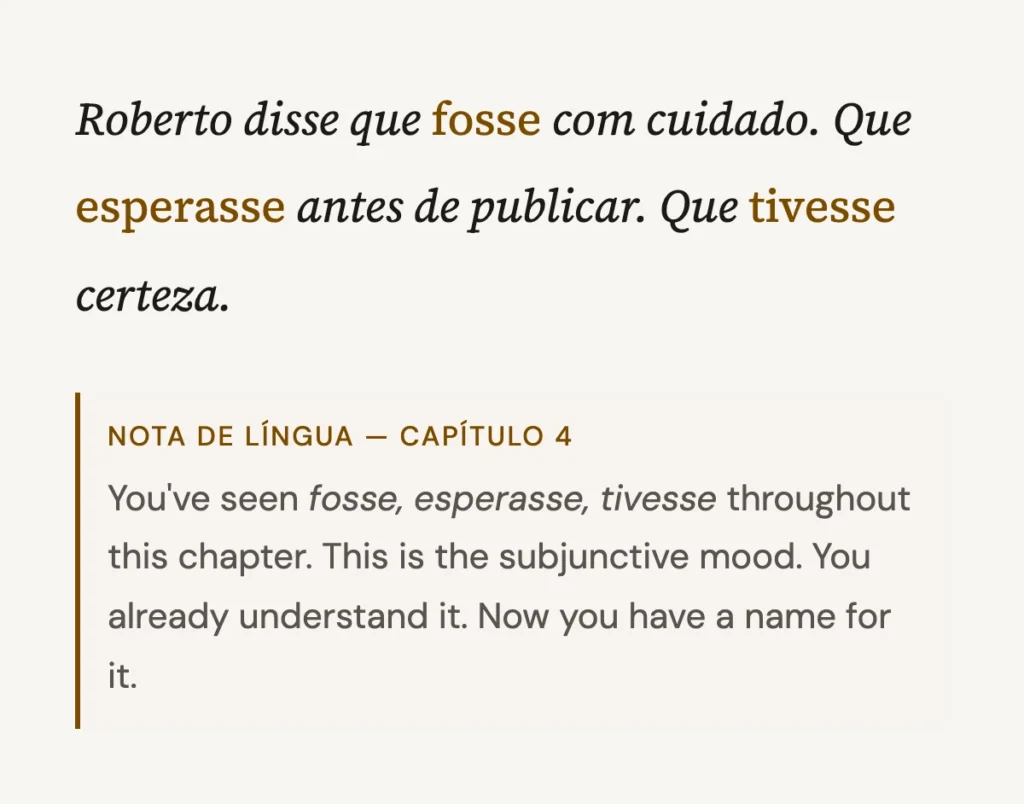
The subjunctive, the aspect system, the register shifts: these are learned through hundreds of real encounters before they're ever named. You feel the pattern work. By the end of the series, the structure is intuitive. Not memorized. Internalized.
-
Register fluency
How a mother texts her daughter is different from how a newspaper reports a story, which is different from how a restaurant presents its food. Reading across registers, in the same book, builds the kind of fluency that lets you move between them without thinking.
-
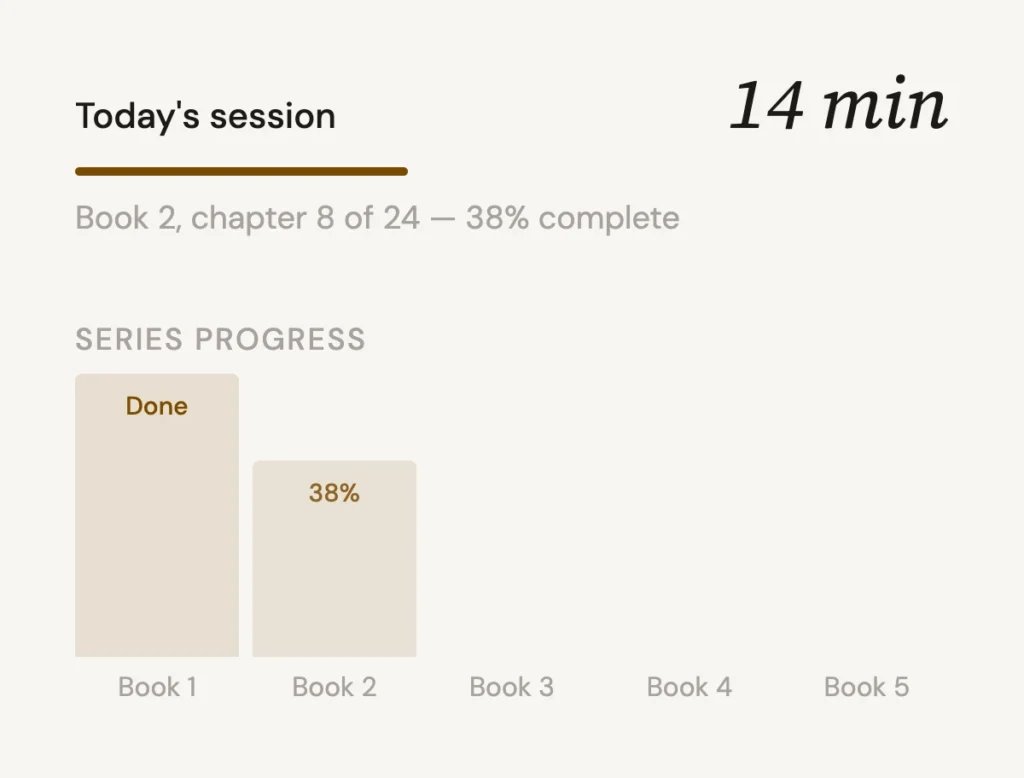
Reading stamina
Following a sentence is different from following a chapter. The only way to build this muscle is to use it, and no app teaches it. The more you read, the longer you can read in Portuguese and understand without exhaustion.
What's inside the books
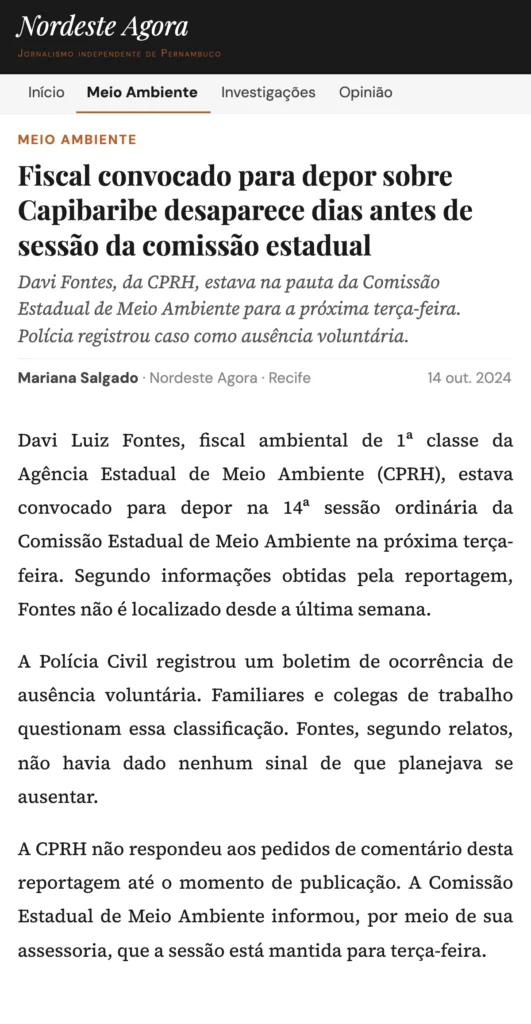
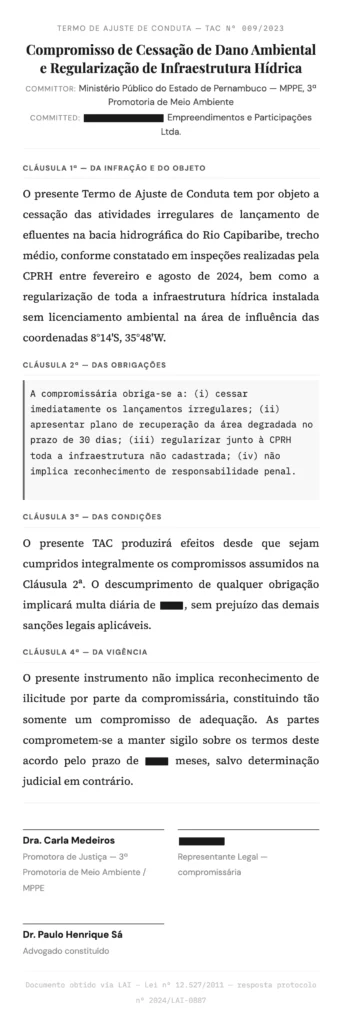
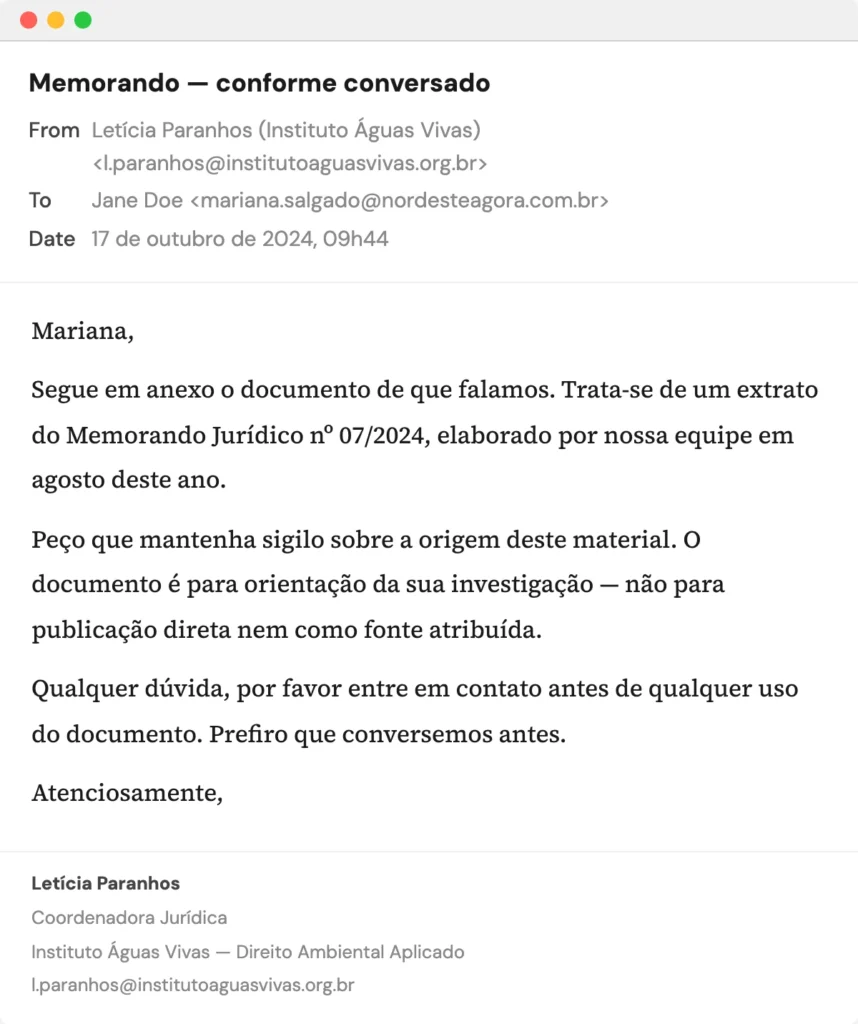
Each chapter includes at least one artifact, a real document that's part of the story. Not supplementary material. Not a sidebar. A WhatsApp conversation, a newspaper article, a menu, a legal notice: each one advances the plot and exposes you to a register you wouldn't encounter in prose alone.
-
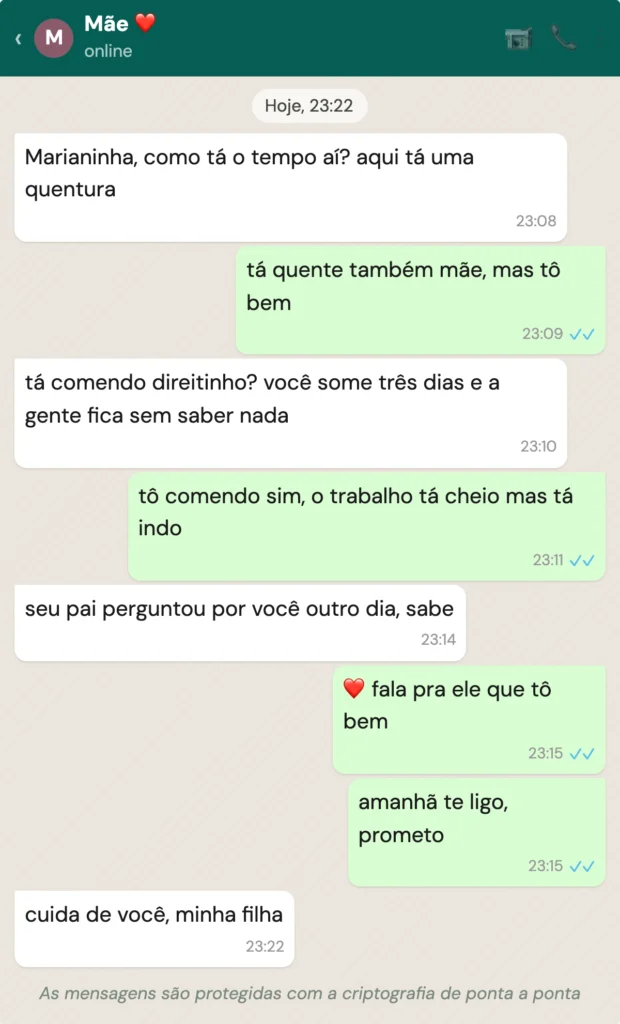
Conversational registerHow people actually talk
Casual, fast, emotionally specific. The language people use when no one's performing for an audience.
-
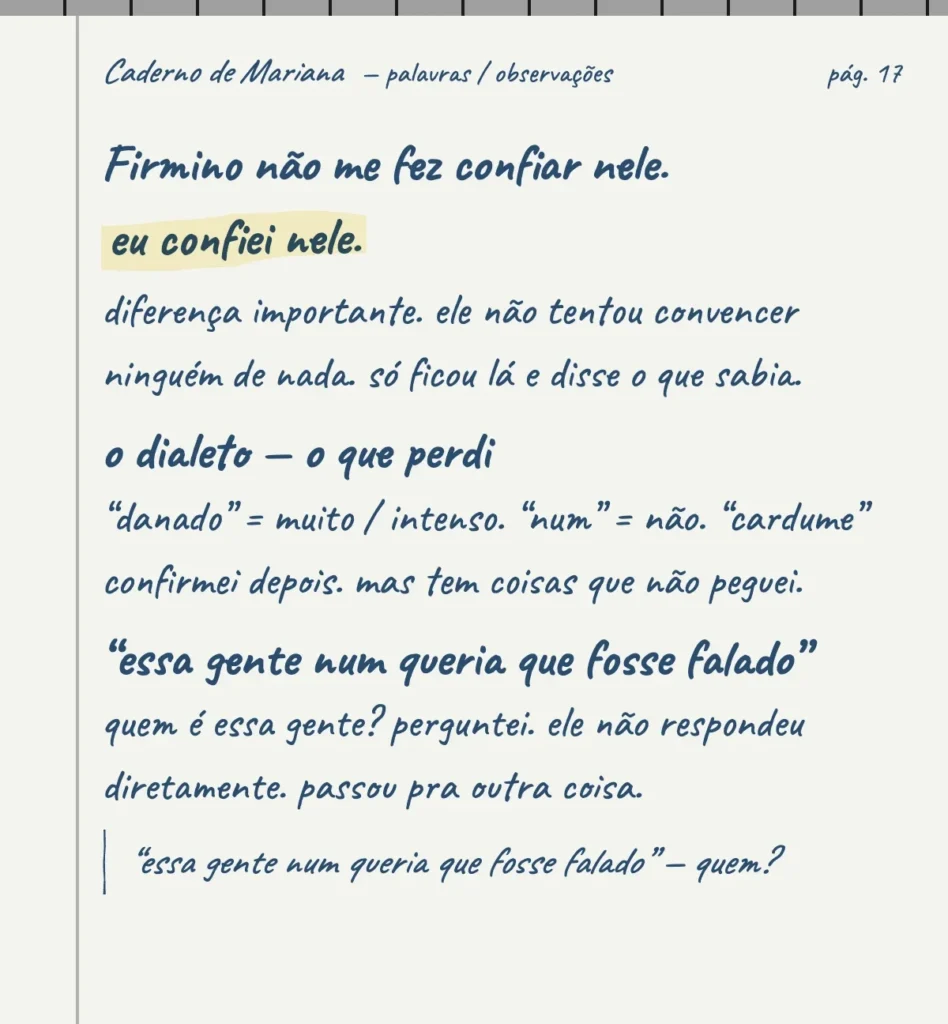
Personal written registerPrivate thought on the page
Informal but precise. Observations, half-formed ideas, vocabulary turned over in someone's own language.
-
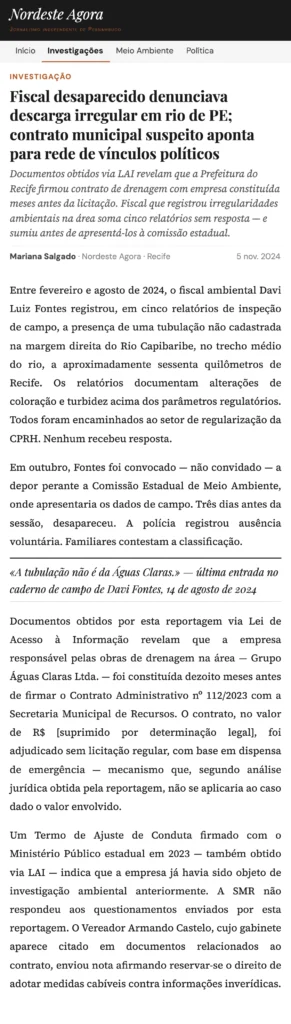
Journalistic registerHow public discourse works
Formal, accountable, structured. How facts get reported and stories get built for a reader who expects precision.
-
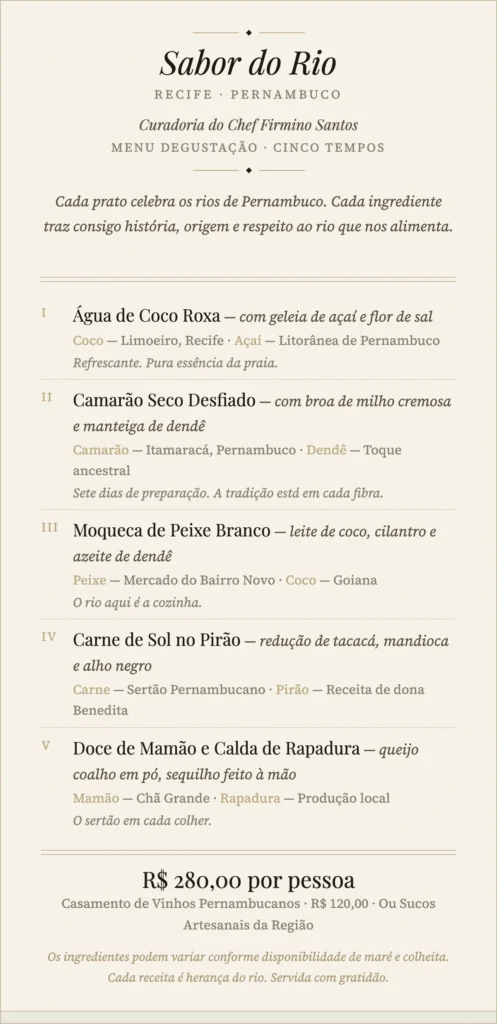
Cultural & commercial registerHow places present themselves
Menus, signs, announcements. The specific formality of a place writing for its public.

How you're supported
The scaffolding is heaviest at the start and fades as you go. By the end, it's gone. That's not an accident. It's the design working.
-
Book 1 Full support
- Glossaries for every unfamiliar word.
- Language notes after every chapter.
- Scaffolding for every new structure.
-
Book 3 Growing independence
- Shorter glossaries, less hand-holding.
- Notes where they matter most.
- You're reading more than you're studying.
-
Book 5 You're on your own
- Minimal glossaries.
- No scaffolding.
- The language is yours now.
One book. See what changes.
Start at your level and read at your own pace. 15 minutes a day. You decide the timeline.
-
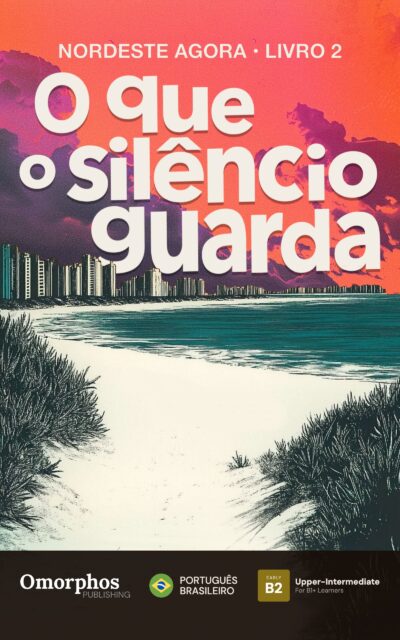
O que o silêncio guarda
Nordeste Agora, Livro 2
Fortaleza, CE
Eight months of court reporting have taught Mariana Salgado what a clean file looks like. She is sent to Fortaleza to write about a neighborhood music stage, and the file she ends up reading there is immaculate: every notice served, every deadline met, every signature where it belongs. Two hundred families have left Vila Aurora. She arrives certain she already knows the shape of this story.
-
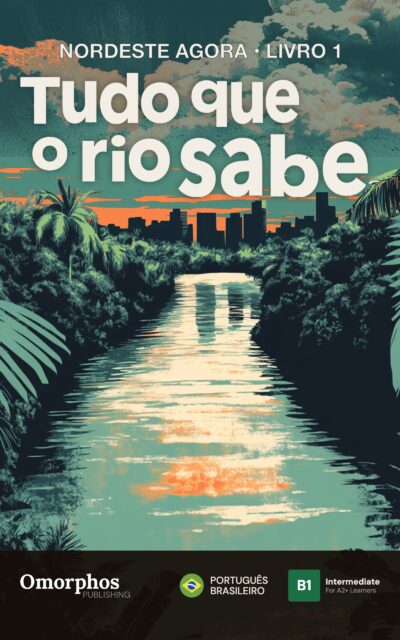
Tudo que o rio sabe
Nordeste Agora, Livro 1
Recife, PE
Mariana Salgado is sent from Recife into the interior of Pernambuco to find out what happened to an environmental inspector who vanished a week before he was due to testify. She has his field notebook, a set of coordinates that don't match any official map, and a fisherman who says almost nothing at all. The river holds more than anyone is willing to say out loud.