
Seven decisions that make this actually work
Not just good intentions: specific choices behind every book.
- 01A real starting point, not just "beginner"
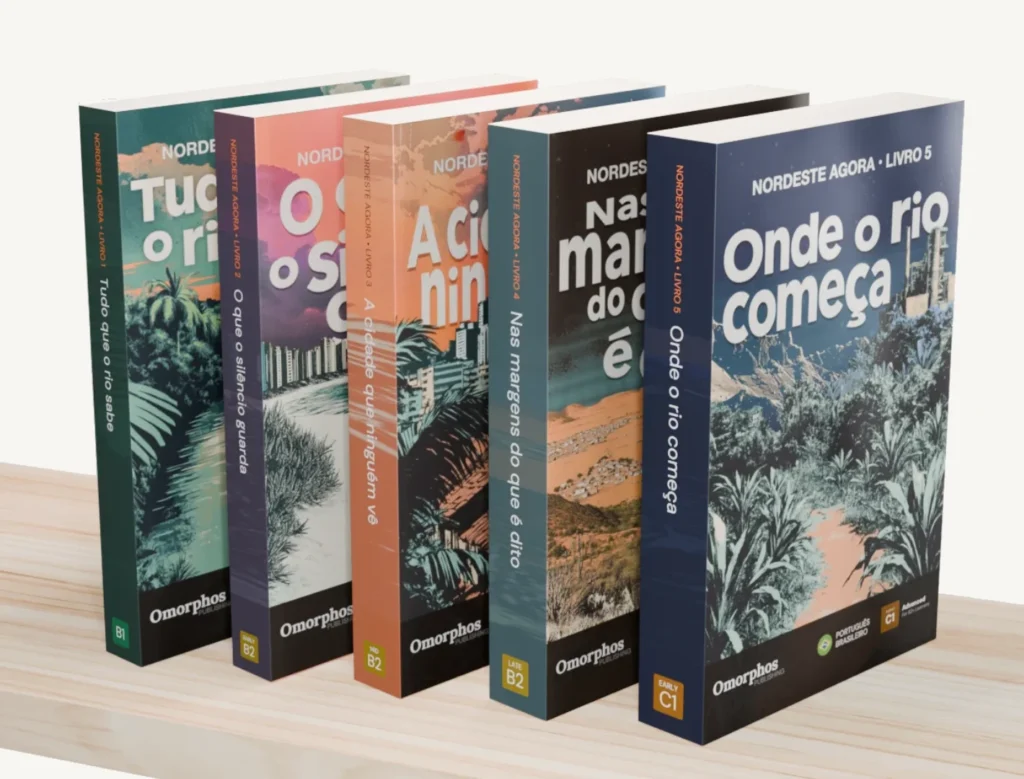
Every book says clearly what level it's written for. Not "beginner", but an actual level, so you can find the one that matches where you are right now, instead of guessing. Pick up any book and the level is right there on the cover. Start there, and move to the next one when you're ready.
- 02Real books, not typical language-learning content
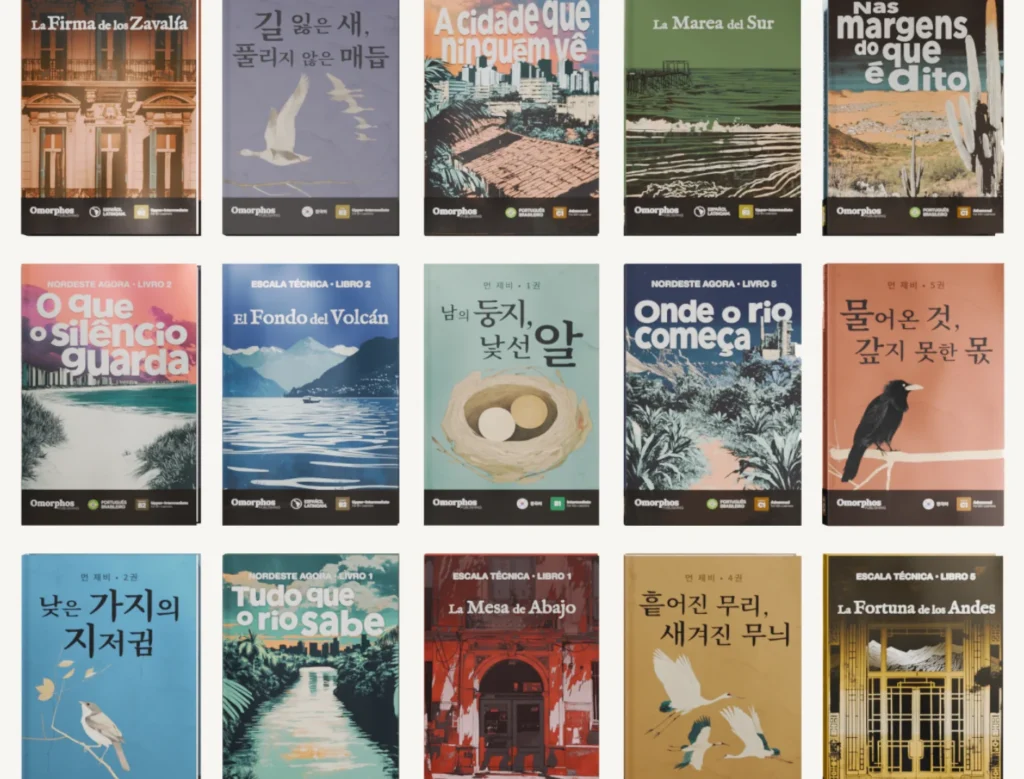
Most language learning content comes in short bursts: a quick article about a cultural tradition, a few paragraphs, a dialogue that ends after a page. These are real books: a real plot, real characters, the kind of story you'd actually want to find out the ending of, not a series of short, disconnected pieces that happen to teach you words along the way.
- 03The story teaches without stopping to explain
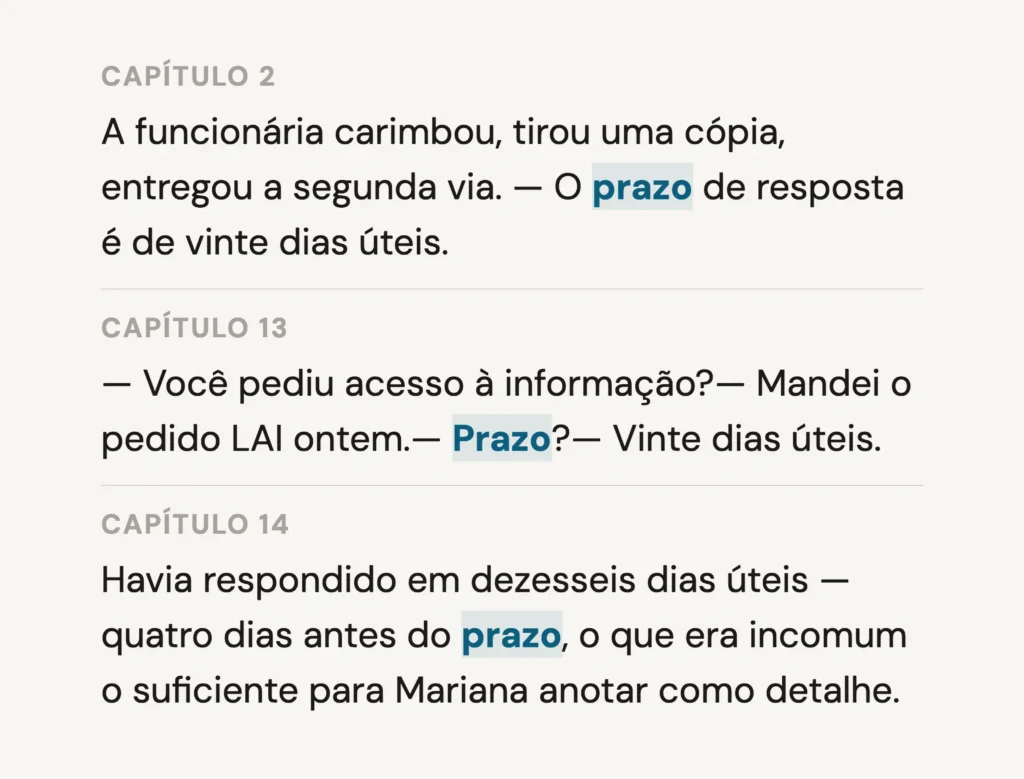
A new word shows up once, then shows up again a few pages later, used a little differently. By the third time, you just know what it means. Nobody had to stop and define it for you. That's not an accident. It's how people actually pick up language in real life, the same way you've picked up slang or expressions just from hearing them enough times, and it's built directly into how these books are written.
- 04Harder, on purpose
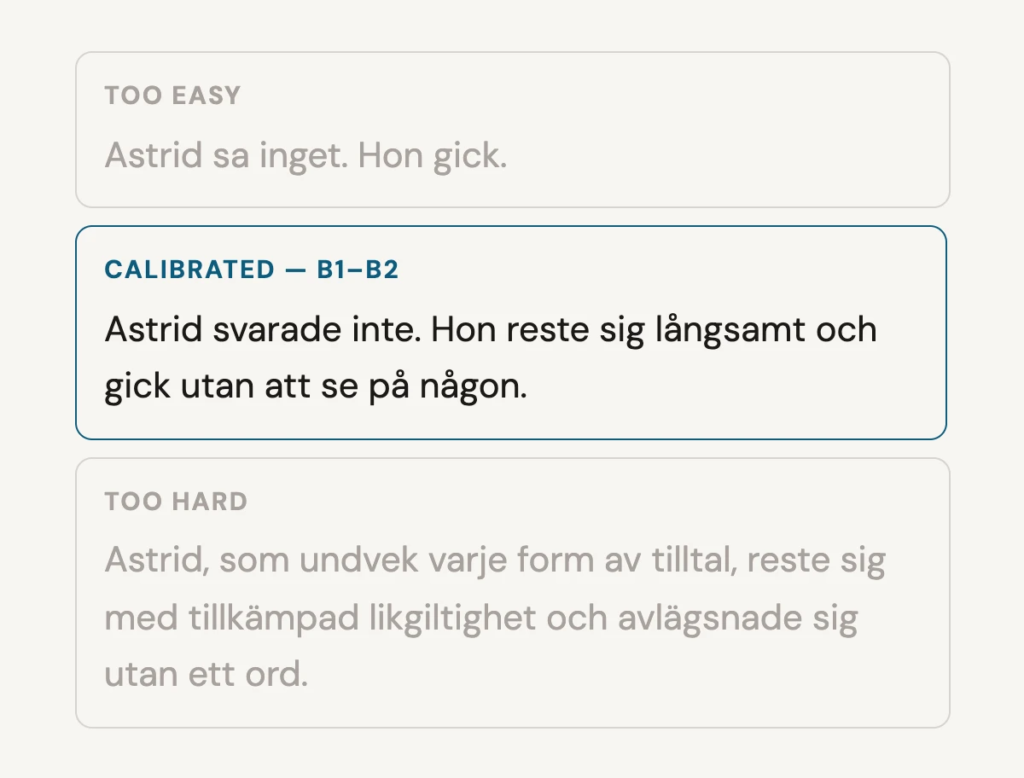
The book doesn't stay comfortable the whole way through. New words and harder sentences show up a little at a time, on purpose, not because the story demanded it, but because that's how you actually improve. The end of a book is noticeably harder than the beginning, and by the time you finish the series, you're reading things you couldn't have handled on page one.
- 05More than just a story
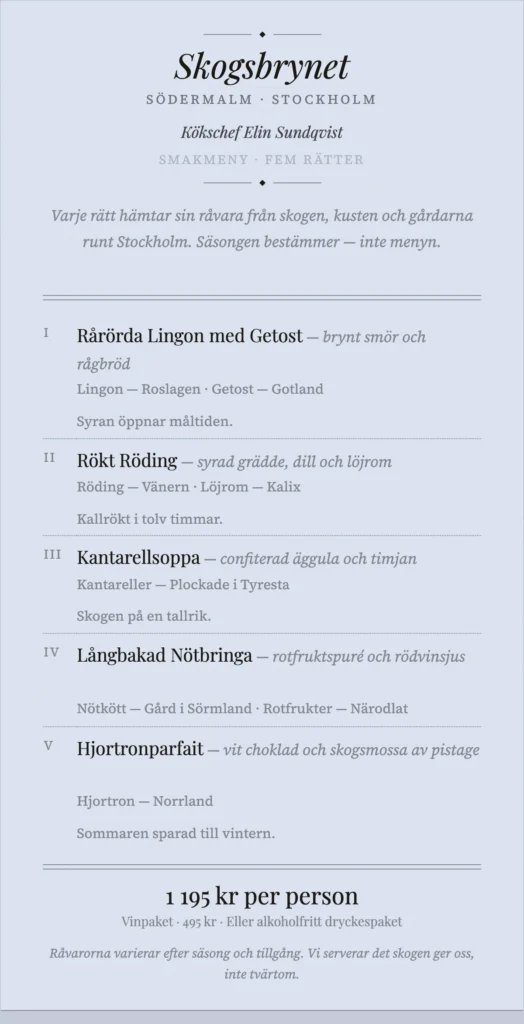
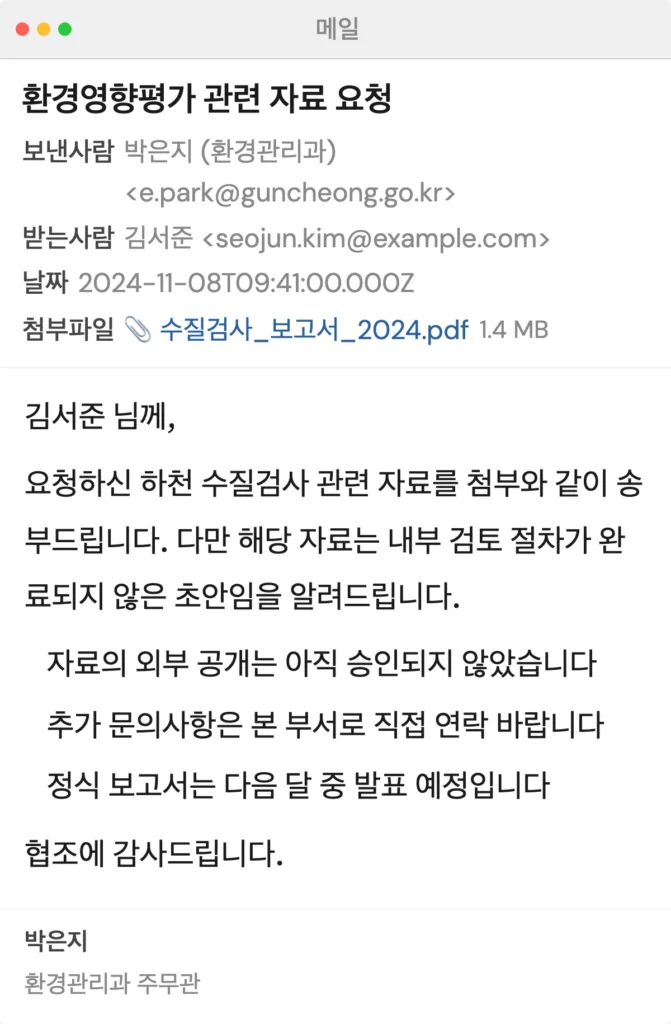
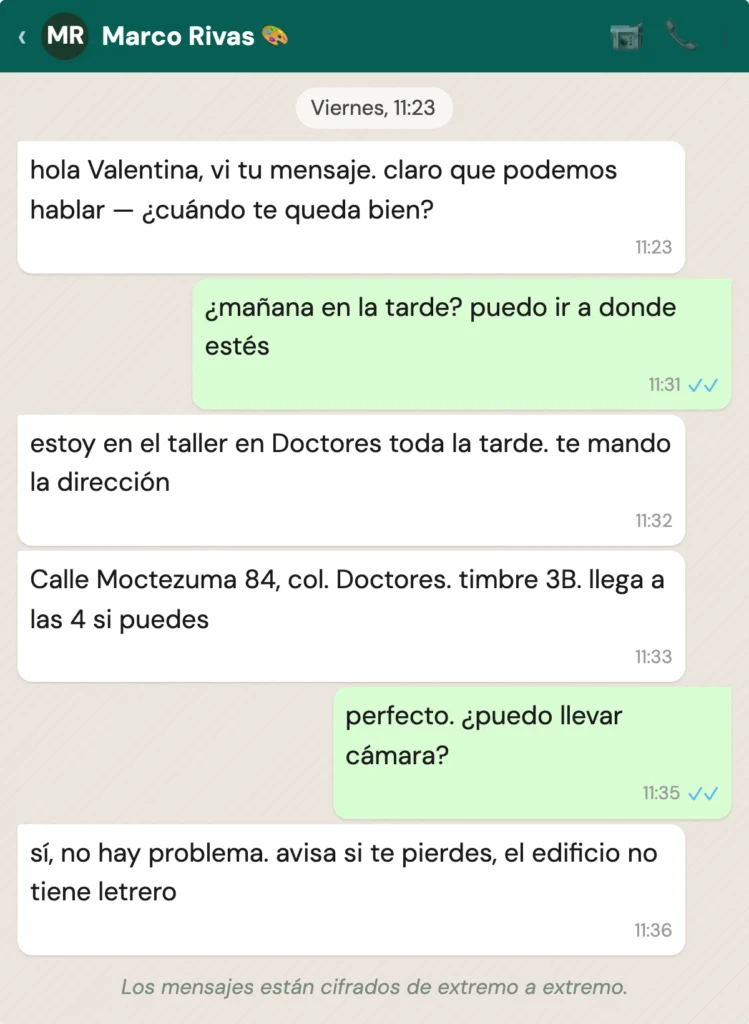
Real life isn't just conversation and storytelling. It's text messages, menus, official letters, news headlines, and each of those sounds completely different from the others. All of it shows up inside the story: a text exchange, an official notice, a menu: real formats, not just narration, because reading only one kind of writing only prepares you for one kind of situation.

- 06Thinking in the language, not translating it
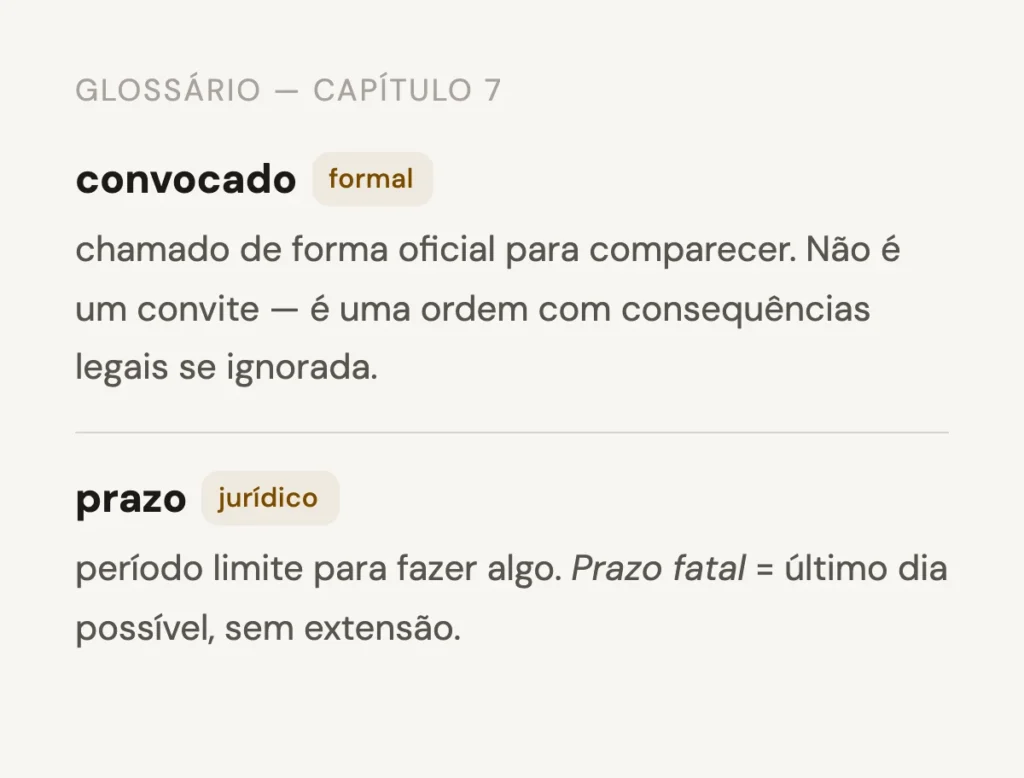
When you look something up, the definition doesn't hand you the English word and send you on your way. It explains the word using other words you already know, in the language you're learning: definitions, synonyms, and context clues, all written in the language itself. That's a different skill than translating, and it's the one that actually makes you fluent: connecting an idea directly to the language, with nothing standing in between.
- 07A main character who doesn't know everything either
The person you're following through the story is also figuring things out. They get a word wrong sometimes. They don't understand a local expression the first time they hear it, and watch for the moments they ask "wait, what does that mean?" That's not filler. It's deliberate, so that when you don't understand something either, you're not alone in the story. You're right where they are.
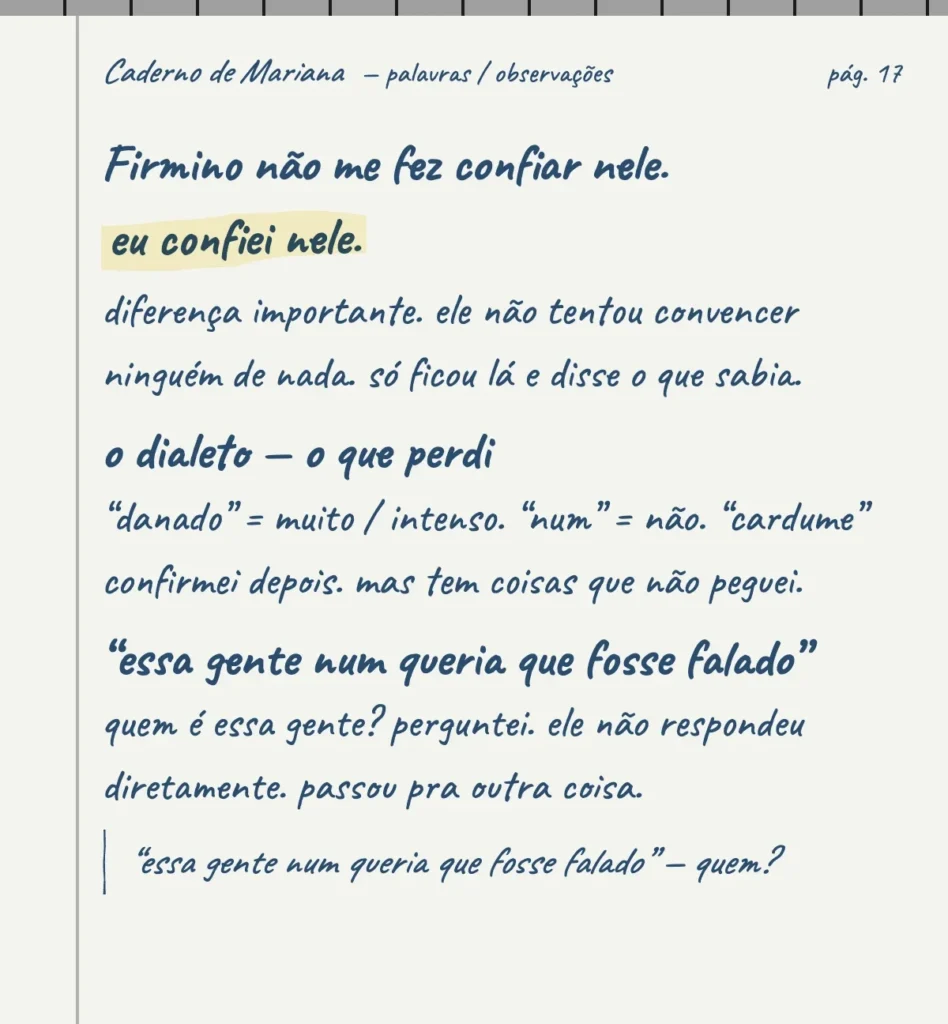
Why it's built like a mystery
You don't need to understand every single word on a page to follow a good mystery. You pick up clues. You hold onto things that don't make sense yet. You keep going because you need to know what happens, not because you've fully solved everything so far.
That's exactly the reading experience these books are built around. Every book centers on someone trying to figure something out, not always a journalist, just someone following a thread. The documents and messages and reports inside the story aren't decoration. They're evidence, the same way they'd be evidence to the person reading them in the story.
Not understanding something completely on the first read isn't a problem to fix. It's what a mystery is supposed to feel like. You'll get it, just maybe not on this page.
What each level means
Every series uses something called CEFR: it's just a shared way of describing how much of a language someone can handle, used by schools and language programs around the world. You don't need to know the theory behind it. You just need to know roughly where you land, so you can pick the right book.
| Level | What You Can Do | What you can read, write, listen, and speak |
|---|---|---|
| A1 | Understand and use familiar everyday expressions and very basic phrases. | Read signs, short notes and simple forms. Write your name and address. Introduce yourself and follow very slow, clear speech. |
| A2 | Understand sentences and common expressions about familiar, everyday matters. Handle simple, routine exchanges. | Read short texts, menus and timetables. Write a short message. Shop, ask for directions, and talk about your family and work in simple terms. |
| B1 | Understand the main points of clear, standard language on familiar topics. Get by in most everyday situations. | Follow everyday narratives, personal emails and straightforward news, rereading denser passages. Write simple connected text. Describe experiences and plans. |
| B2 | Understand the main ideas of complex text on concrete and abstract topics. Talk with fluency and ease with speakers of the language. | Read journalism, contemporary fiction and professional writing with good comprehension, and recognize different registers. Write clear, detailed text. Take part in a discussion and argue a point. |
| C1 | Understand a wide range of long, demanding texts and recognize implicit meaning. Use the language flexibly for social, academic and work purposes. | Read long, complex texts, including idiomatic and literary writing. Write well-structured text on complex subjects. Express ideas fluently without searching for words. |
| C2 | Understand virtually everything you hear or read with ease. Express yourself precisely, with fine shades of meaning. | Read almost anything, across all registers, including dense or highly colloquial writing. Summarize arguments from different sources. Follow and take part in any conversation. |
These are rough guides, not a test you pass or fail. Most people read ahead of where they'd score on a formal test. That's normal, and it's kind of the point.
See how it works in a language you're learning
Choose your language and see how reading gets you to your goals.
Dive into one of our series
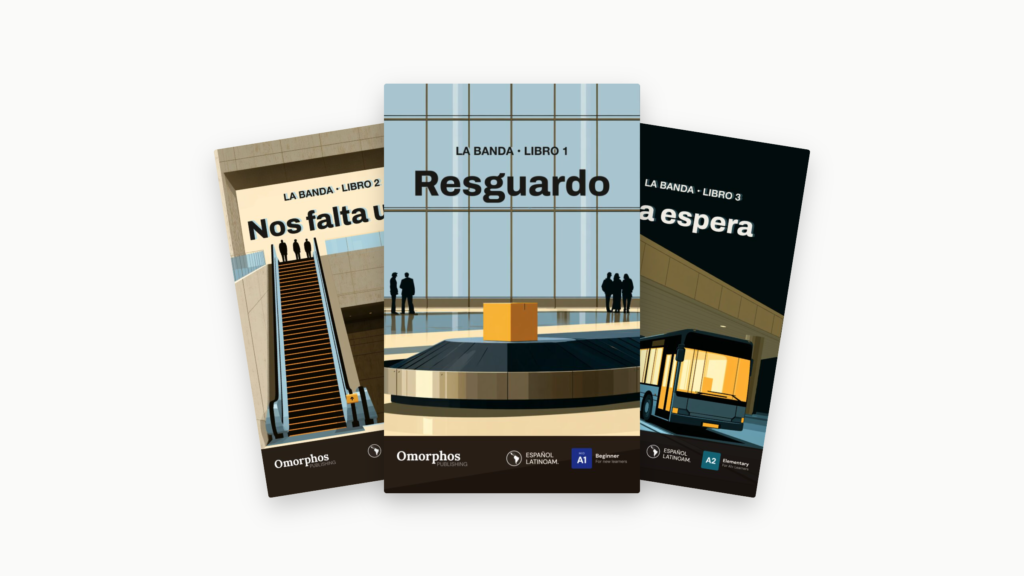
La Banda
The Carousel
An airport is run by companies that don’t employ each other, so the person in front of you never works for the one you’re complaining about. Four books, four people it happens to, and nobody is lying to any of them. Original fiction written in Latin American Spanish, running from A1 to A2.
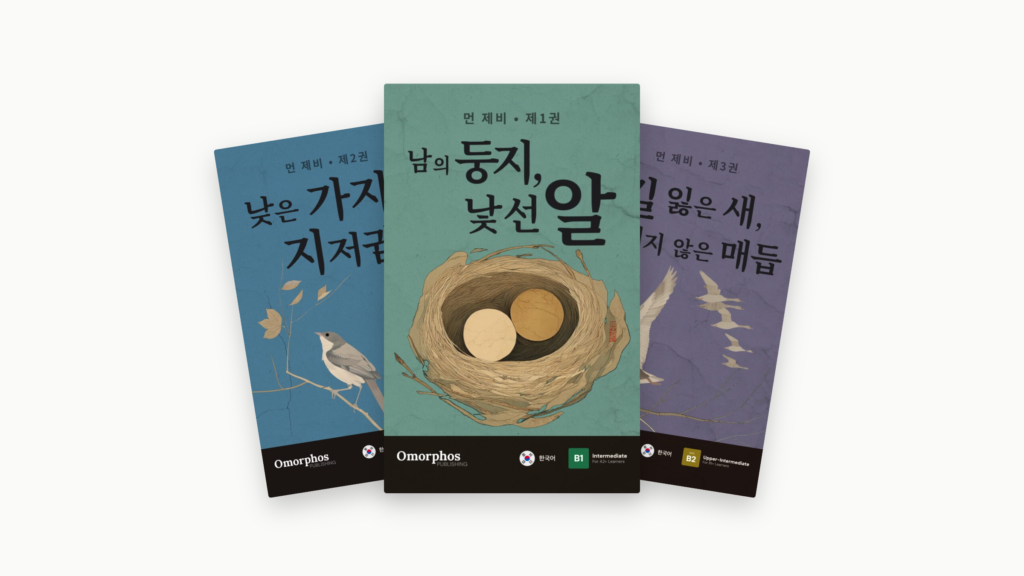
먼 제비 (Meon Jebi)
Distant Swallow
Yun Jae-seong is a researcher tracking Korean cultural heritage scattered abroad — colonial-era seizures, wartime looting, fraudulent sales. Original investigative fiction written in Korean, running from B1 to C1.
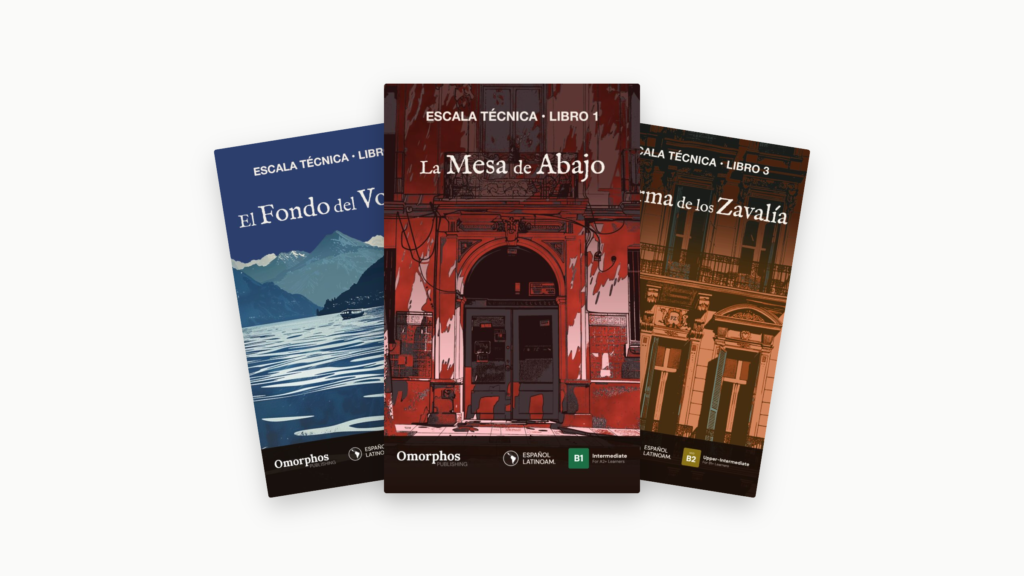
Escala Técnica
Technical Stopover
Valentina Reyes quit investigative journalism to travel Latin America for a living — great restaurants, fascinating cities, the kind of work that looks like a permanent vacation. Except paradise has a back of house. Five check-ins. Five cover-ups. And one name that keeps turning up underneath all of it.
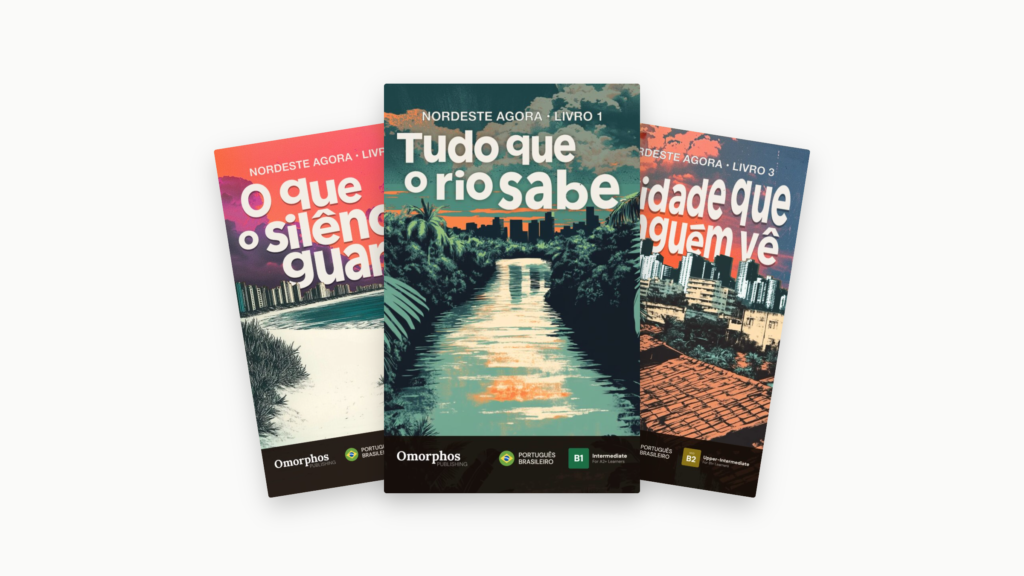
Nordeste Agora
Northeast Now
Five books, five cities in the Northeast of Brazil, and a reporter who keeps asking after everyone else has stopped. Original investigative fiction written in Brazilian Portuguese, running from B1 to early C1.