How these books work
Every book in the catalog is built the same way. This is what that means.
- You read the evidence, not a summary of it
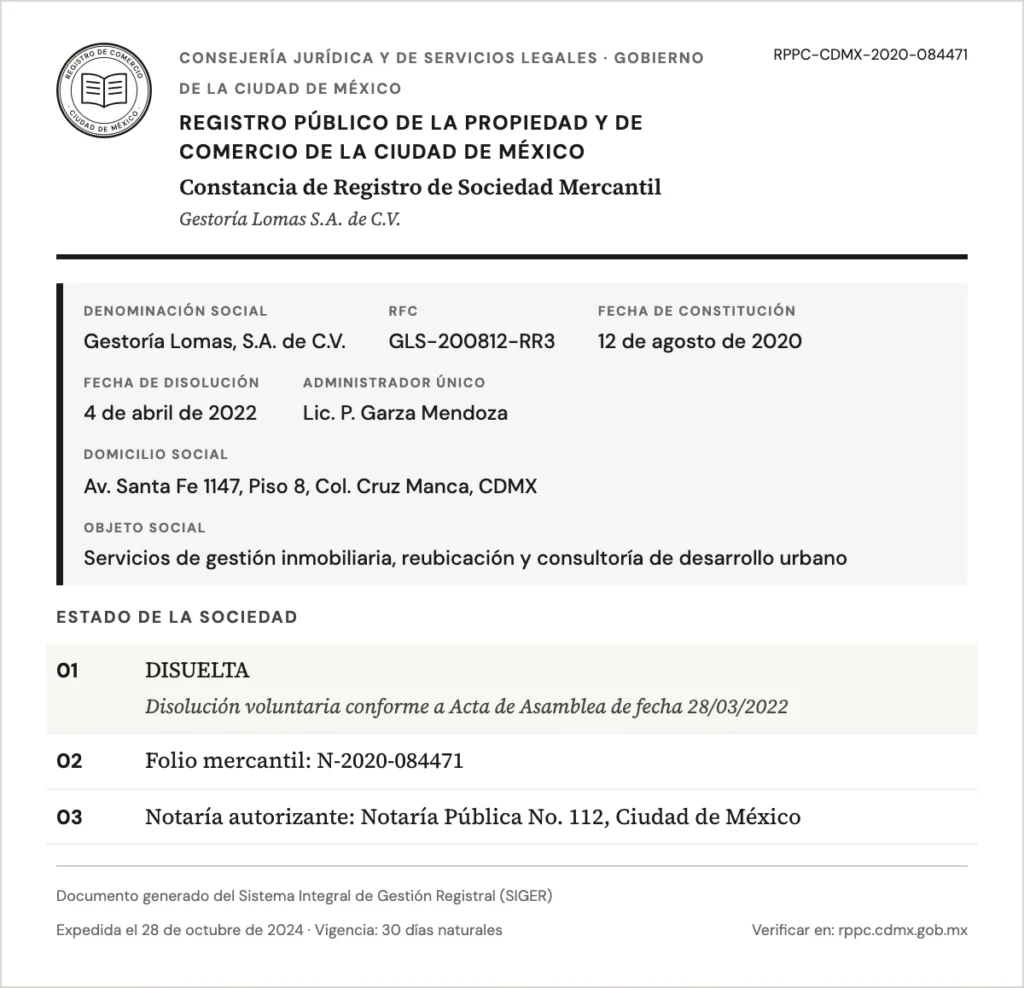
Documents reach the story the way they reach a reporter, and you read them before anyone tells you what they mean. Here Valentina’s manager forwards the restaurant’s press material and quotes one line of it back to her: the building is new, and the project respects the scale of the neighborhood. Then one sentence of her own. Nobody writes like that by accident.
- You get what she gets, when she gets it
Chapter one is prose, an email sent twenty minutes before her plane lands, and a page of Valentina’s own notebook where she writes down the two corrections she was handed that day and the question she cannot answer yet. The notebook is hers and it is also yours. The things she is unsure of are marked as unsure, because she is working it out at the same speed you are.
- You finish it reading better than you started
It opens at B1 and closes nearer B2. If you can follow a conversation about something familiar, handle most of what comes up on a trip, and say what happened yesterday without building the sentence first, you can start it today. The climb is gradual on purpose, and every part was proofread against its own target before it shipped.
You can read it before you buy it
The opening of the book is the sample, with the notes and the glossary exactly as they appear inside. It is the surest way to find out whether the level fits, because it is the book and not a description of the book.