Where could your Korean take you?
Each level opens new conversations, experiences, and ways of being in the language.
-
B1
Connect
- Have real conversations about work, family, daily life
- Follow what people are saying, even when you miss words
- Share opinions on topics you know
- Understand the gist of news and current events
-
B2
Culture
- Understand a film or song without subtitles
- Read articles, posts, and short nonfiction
- Discuss ideas, not just facts
- Catch humor, irony, and what's left unsaid
-
C1
Fluency
- Read literature, criticism, poetry in the original
- Debate complex ideas with confidence
- Feel at home in the language across registers
- Access the full texture of how people think in Korean
What reading in Korean actually builds
-
Vocabulary in context
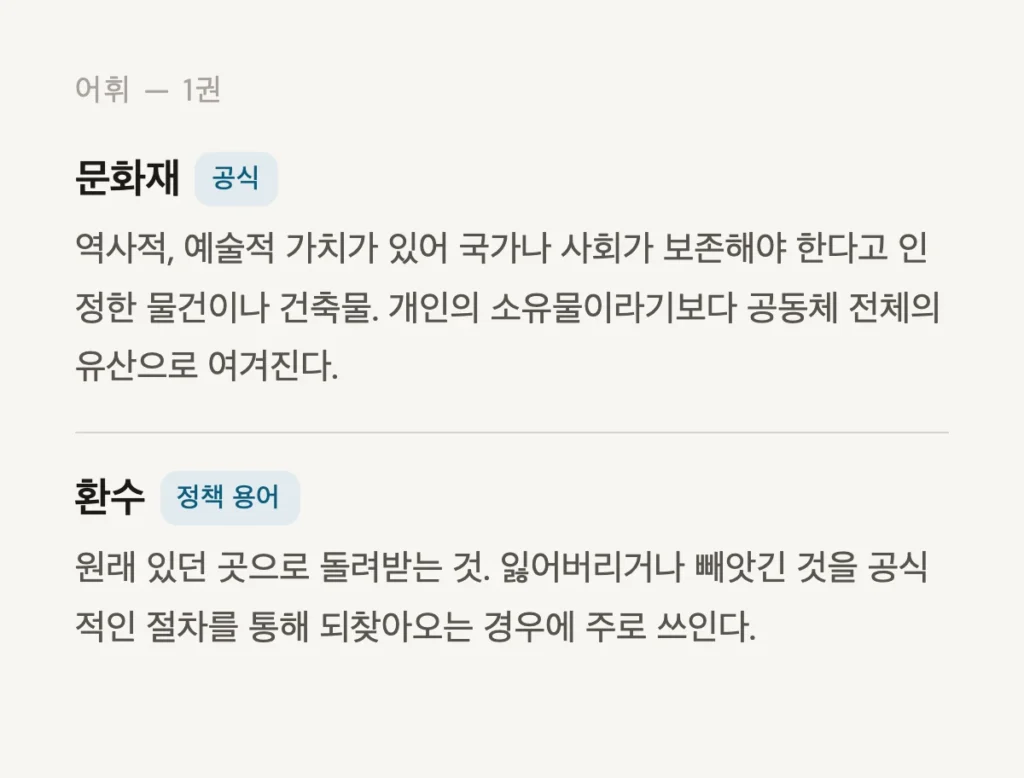
Words are acquired through exposure in meaningful situations, not through lists. Reading at volume builds vocabulary more durably than any flashcard app. You encounter the same word across different contexts: in formal writing, in a message, in a legal document, in dialogue. And it sticks.
-
Grammar through encounter
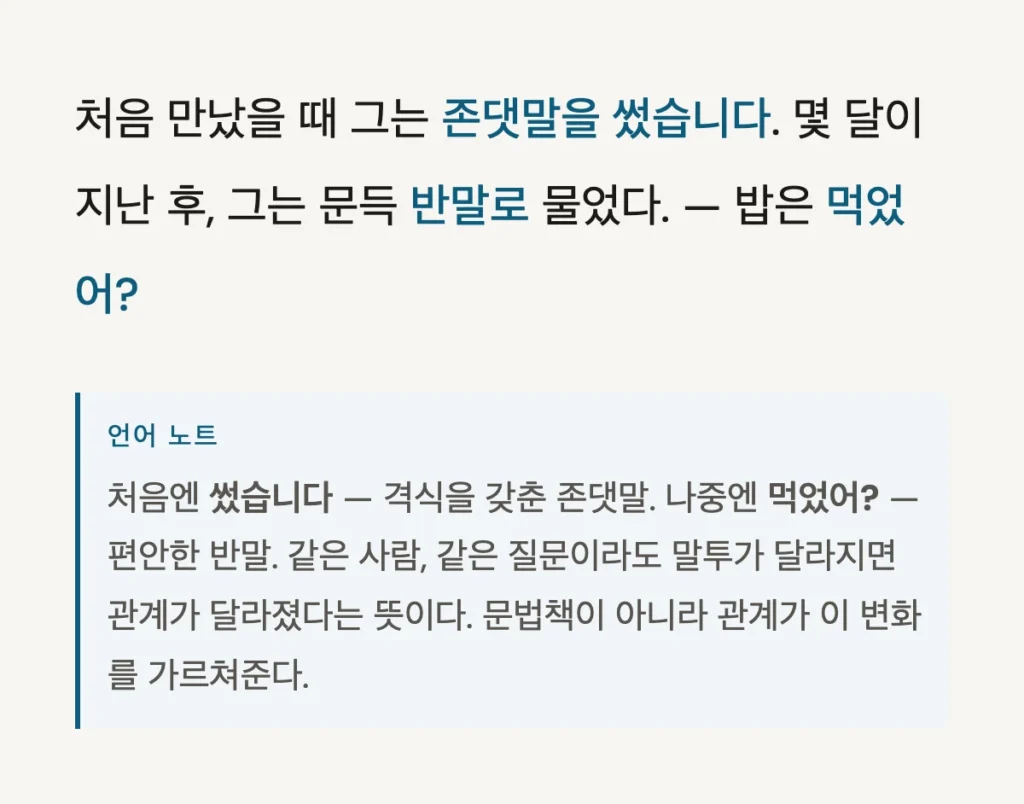
Korean's hardest grammar point isn't one rule. It's a whole system most learners never fully internalize: speech levels. The ending on a verb shifts depending on who you're talking to, and that choice carries real social weight. You don't learn it from a chart. You learn it from watching who speaks which way to whom, until you feel the shift before you can explain it.
-
Register fluency
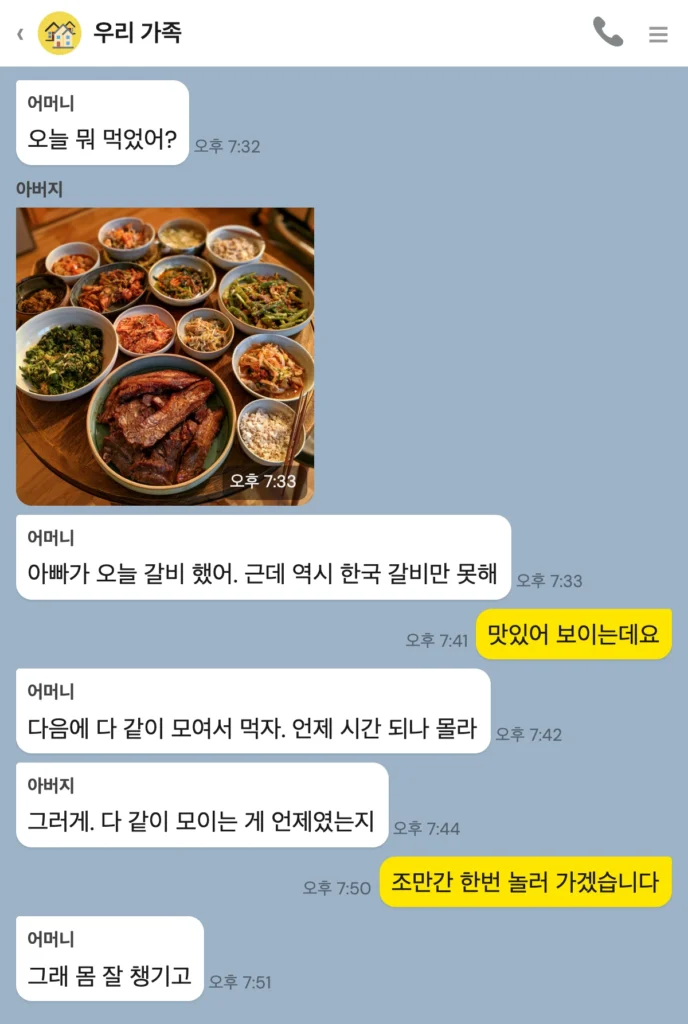
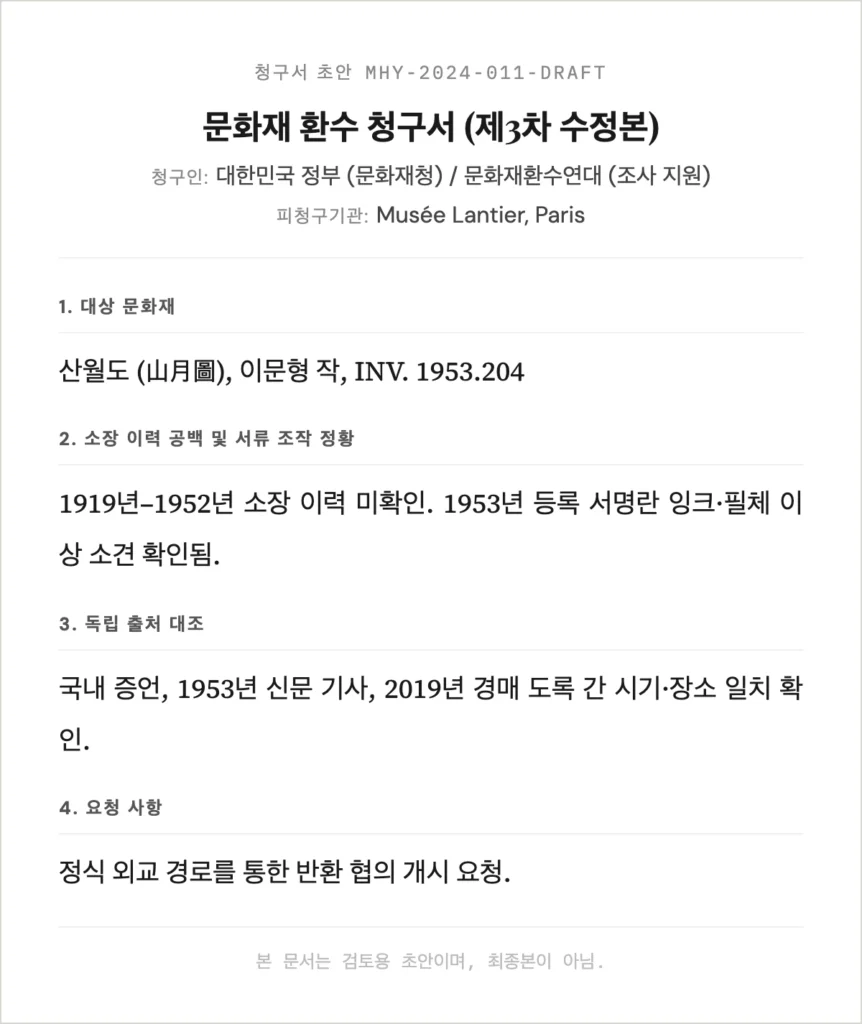
How a text between friends is different from how a government office writes to you, which is different from how a museum label explains an object's history. Reading across registers, in the same book, builds the kind of fluency that lets you move between them without thinking.
-
Reading stamina
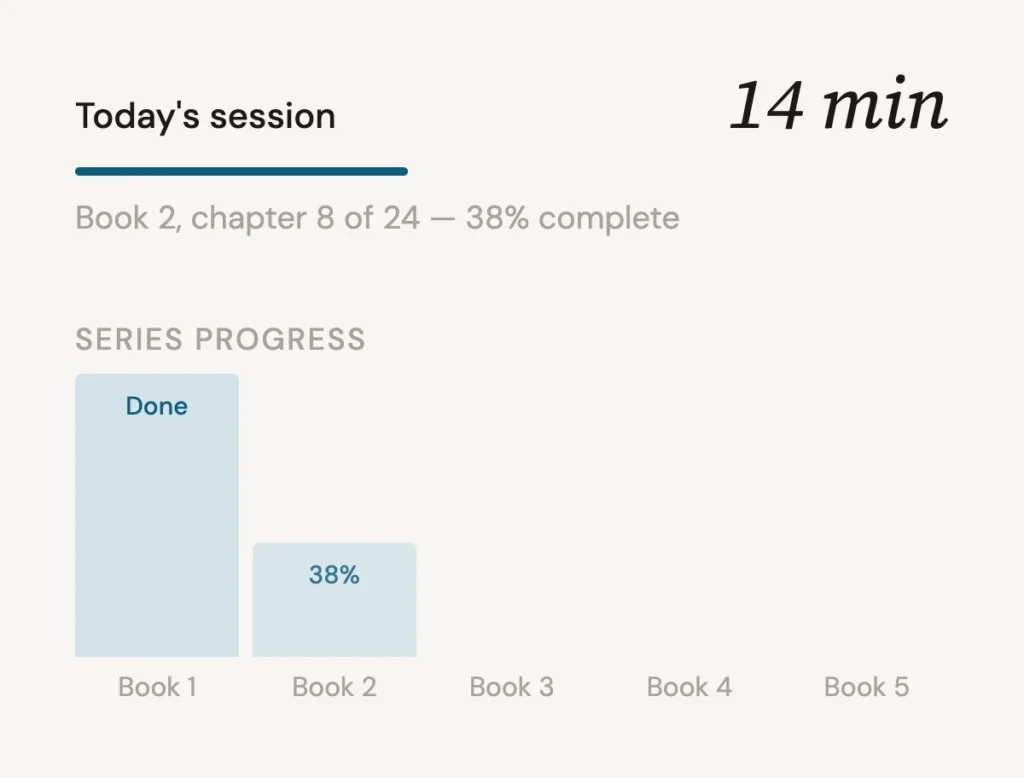
Following a sentence is different from following a chapter. The only way to build this muscle is to use it, and no app teaches it. The more you read, the longer you can read in Korean and understand without exhaustion.
What's inside the books
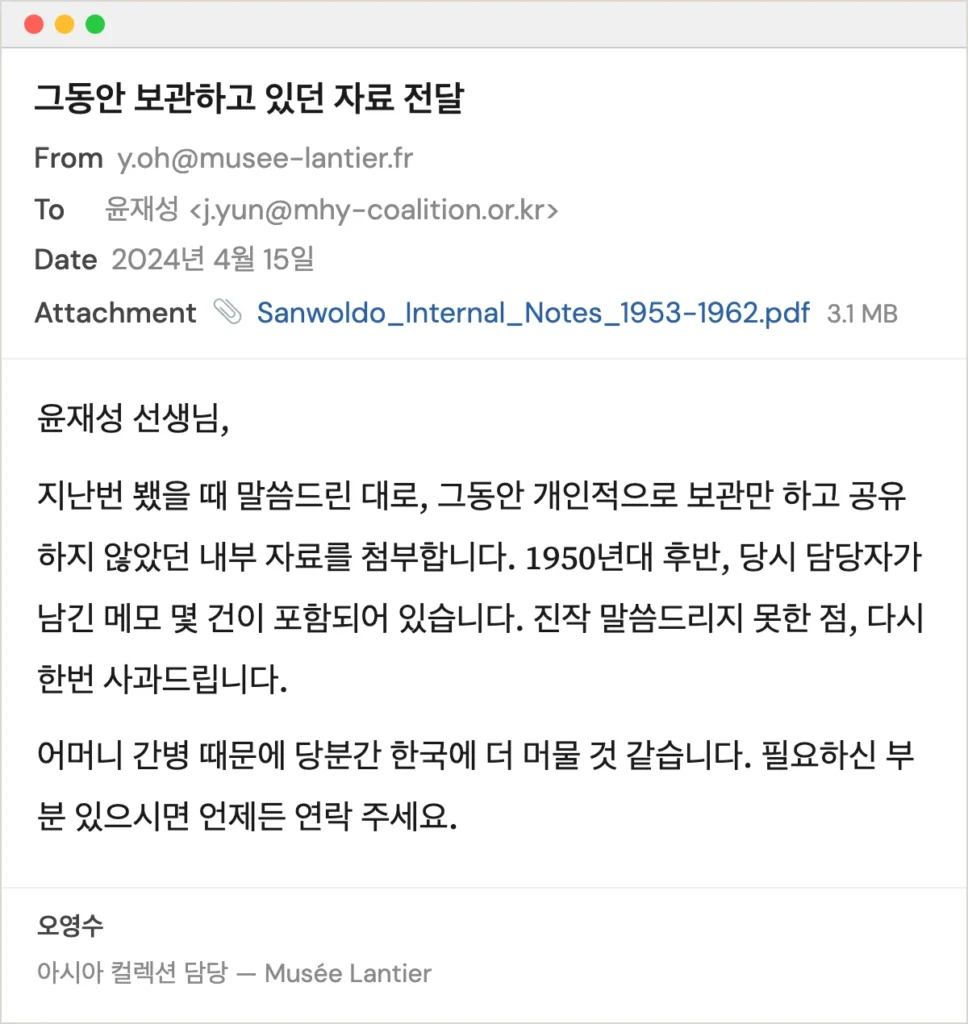
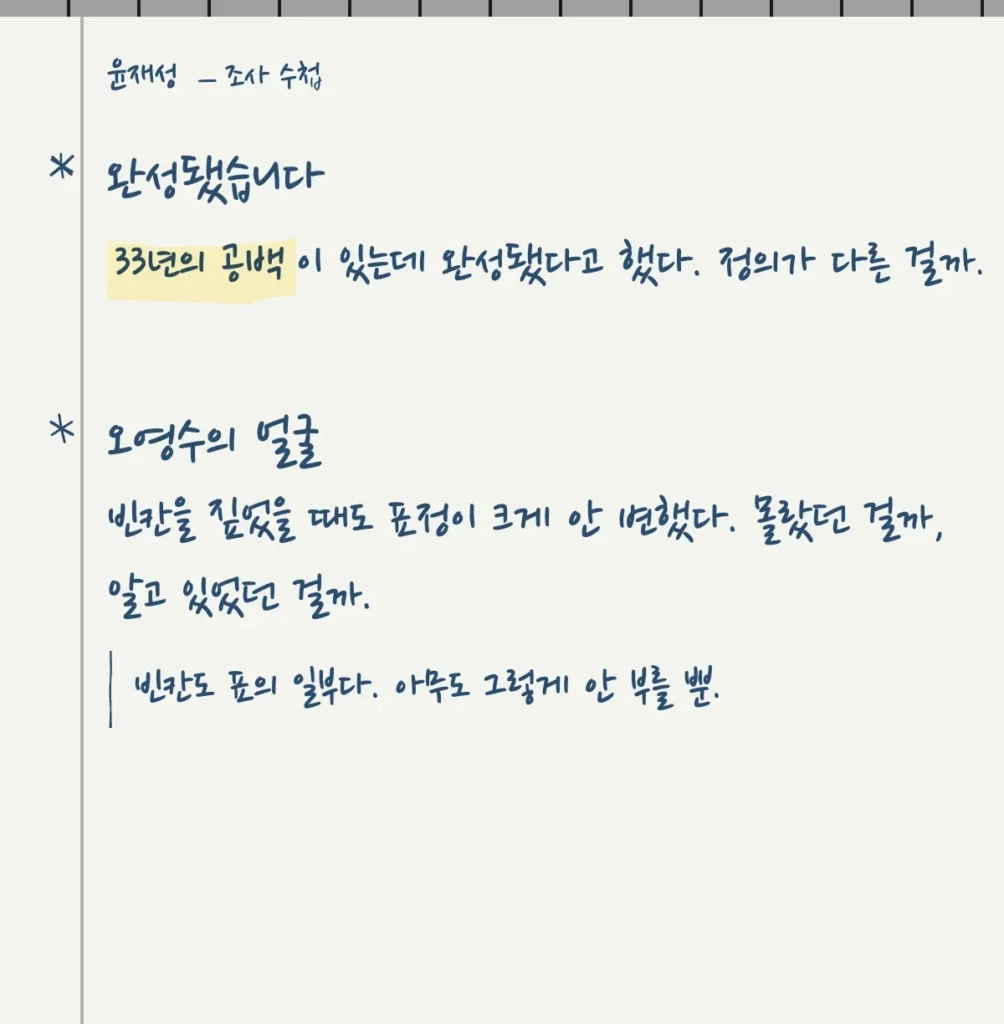
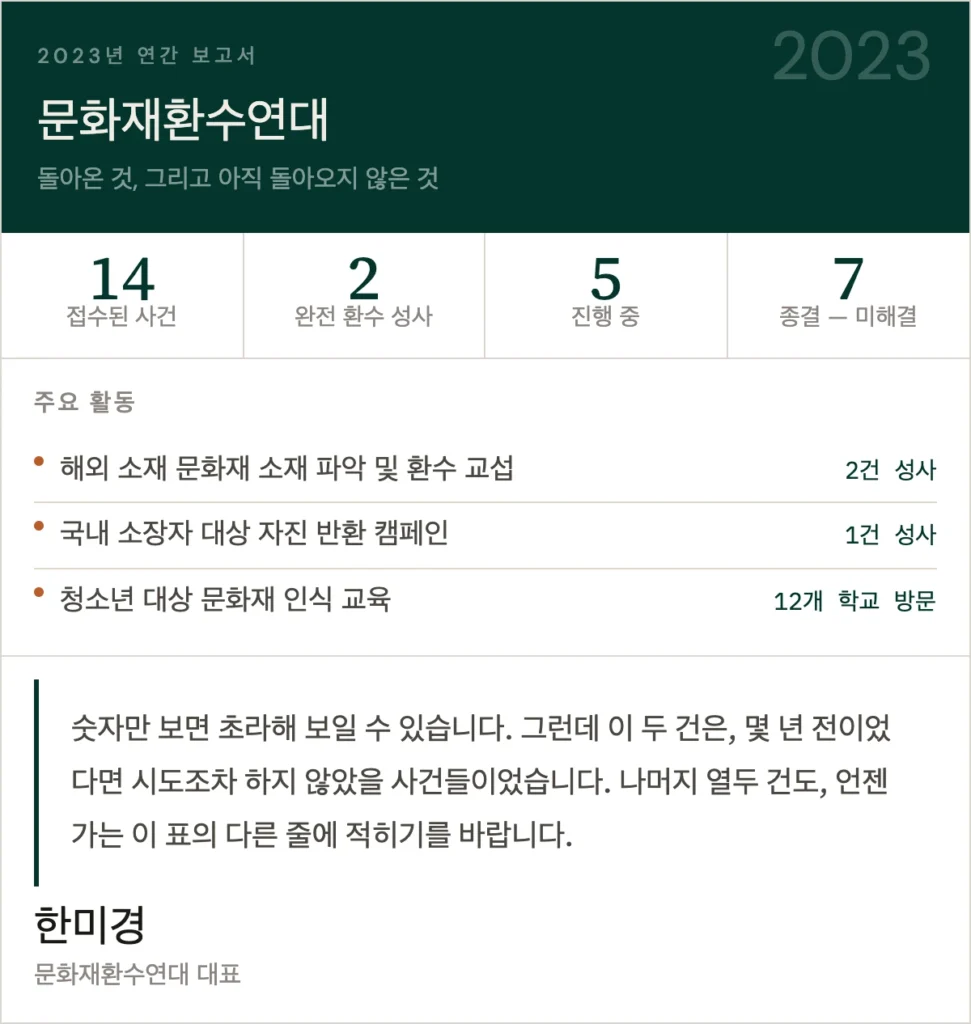
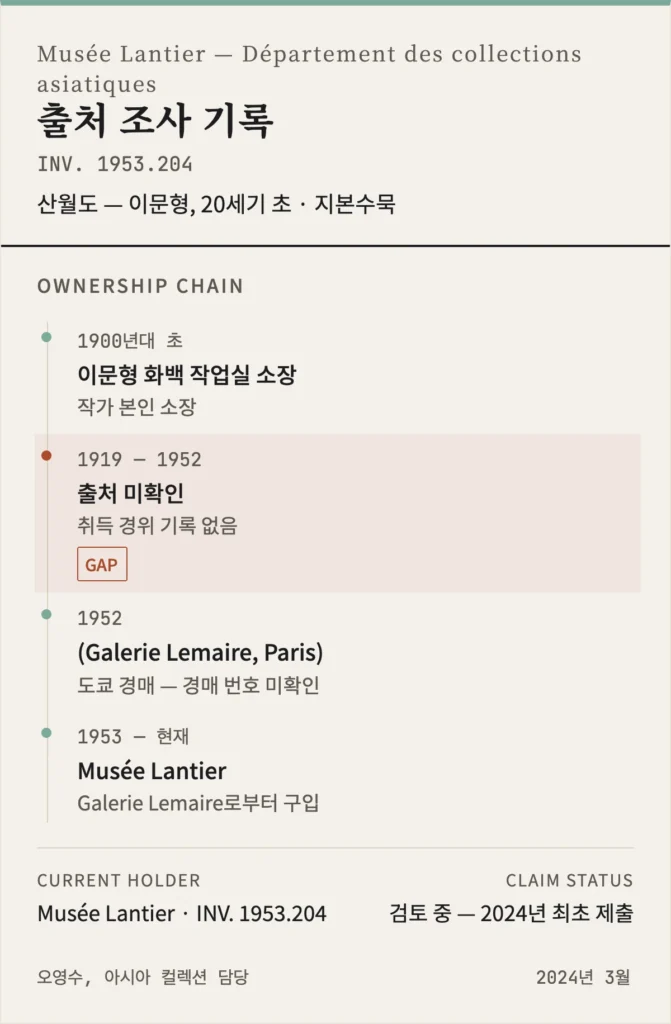
Each chapter includes at least one artifact, a real document that's part of the story. Not supplementary material. Not a sidebar. A message thread, an official letter, a museum record, a handwritten note: each one advances the plot and exposes you to a register you wouldn't encounter in prose alone.
-
Conversational registerHow people actually talk
Casual, fast, emotionally specific. The language people use when no one's performing for an audience.
-
Personal written registerPrivate thought on the page
Informal but precise. Observations, half-formed ideas, vocabulary turned over in someone's own language.
-
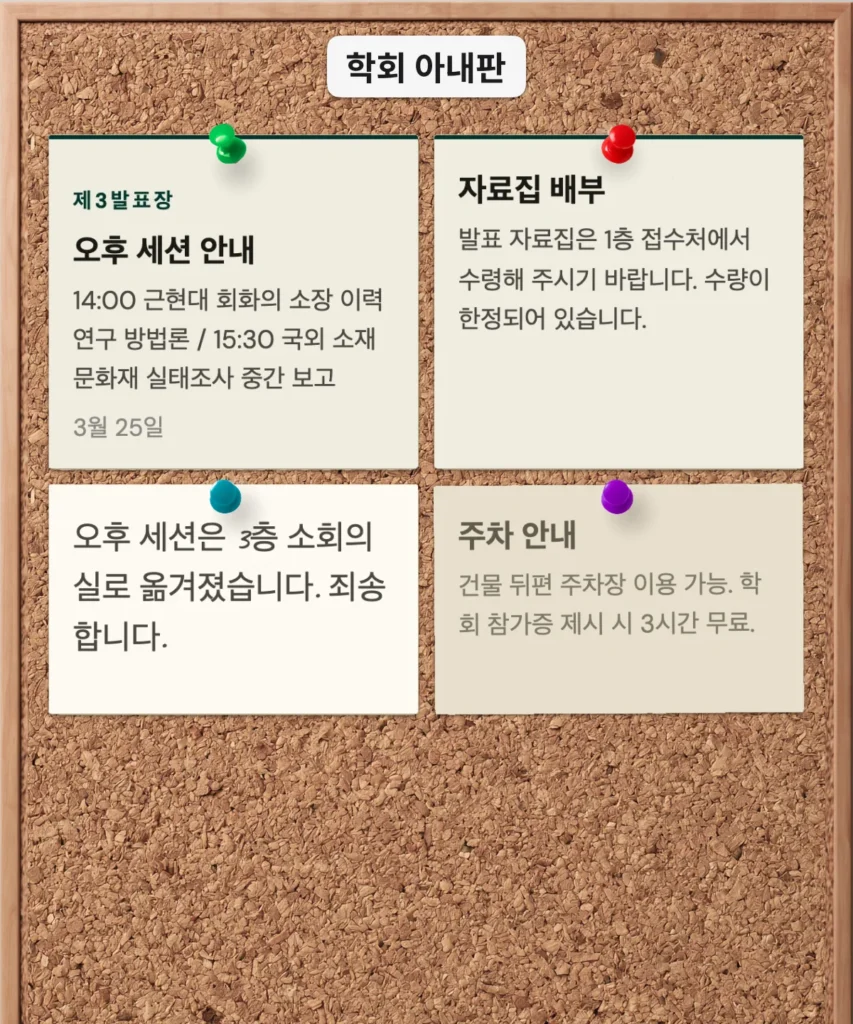
Journalistic registerHow public discourse works
Formal, accountable, structured. How facts get reported and stories get built for a reader who expects precision.
-
Cultural & commercial registerHow places present themselves
Museum labels, official records, formal notices. The specific formality of an institution writing for its public.
How you're supported
The scaffolding is heaviest at the start and fades as you go. By the end, it's gone. That's not an accident. It's the design working.
-
Book 1 Full support
- Glossaries for every unfamiliar word
- Language notes after every chapter
- Scaffolding for every new structure
-
Book 3 Growing independence
- Shorter glossaries, less hand-holding
- Notes where they matter most
- You're reading more than you're studying
-
Book 5 You're on your own
- Minimal glossaries
- No scaffolding
- The language is yours now
One book. See what changes.
Start at your level and read at your own pace. 15 minutes a day. You decide the timeline.
-
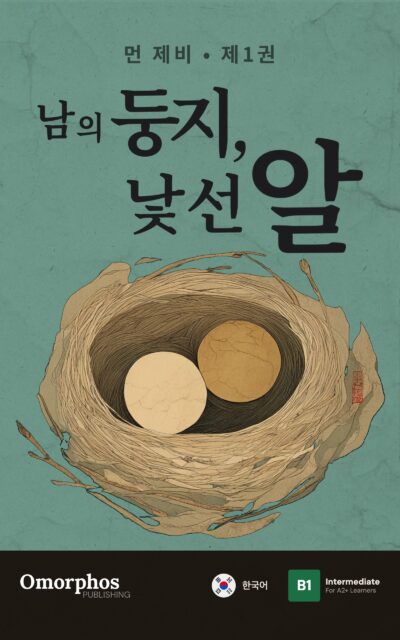
남의 둥지, 낯선 알 (Namui Dungji, Natseon Al)
먼 제비, 제1권
Seoul
Yun Jae-seong has been back in Seoul barely two months when a small Paris museum's quietest painting lands on his desk — a mountain-and-moon ink wash by a nearly forgotten Korean painter, its ownership blank for thirty years. The case takes him from a dust-choked government archive to an old man's living room, where the tea goes cold and almost nothing gets said. Every document insists the story is simple. No one in that room believes it.